Many cancer survivors have impairments that make using mobile devices and websites difficult
Published in Health & Fitness
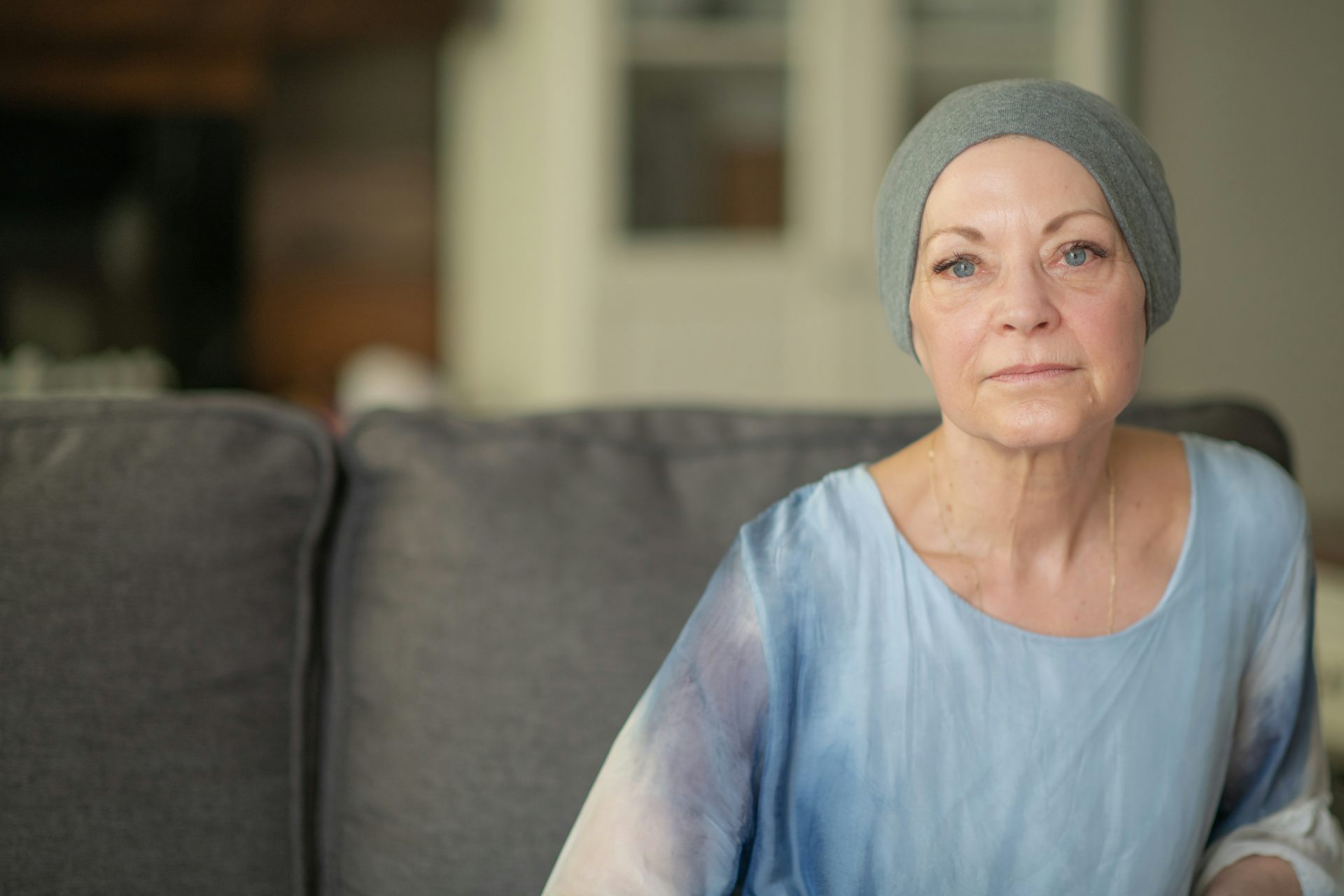
Megan (not her real name) had always taken pride in her ability to meet someone once and remember their name. Then came a breast cancer diagnosis in her 40s, chemotherapy, and the brain fog that followed. She struggled to focus. She couldn’t remember names, or where she placed her keys or phone. Long, wordy instructions were a nightmare.
More than two decades after her diagnosis, Megan still labors with memory issues. She says the inability to remember names seems “abnormal,” and she feels as if she is “somehow lesser.”
Megan is one of more than 18 million cancer survivors in the United States. Her experience has a name: chemo brain, a cognitive impairment related to chemotherapy that affects memory, focus and finding words. Approximately 70% of U.S. cancer survivors report long-term functional limitations related to cancers or their treatments, nearly twice the percentage of the general population reporting limitations.
Cancer survivors’ limitations include cognitive challenges not associated with chemo brain. The list of impairments is long, and some can persist for years. One study found that more than 60% of breast cancer survivors who had chemo, radiation, hormone treatment and/or surgery continued to experience dysfunctions six years after diagnosis.
We are computer scientists who study accessibility and human-computer interaction. While complications can affect many dimensions of a cancer survivor’s life, we have found that one of them – using websites, apps and software on mobile phones and computers – has gone understudied. For people who rely on their phones, tablets and laptops to seek health information, schedule medical appointments, review diagnoses, connect with support groups and simply try to live a productive life, these struggles are more than inconveniences.
To understand how cancer survivors experience software and interfaces, we conducted a study along with our colleagues using surveys, interviews and diary notes. Megan was one of our study participants.
Among the 46 participants, ages 20 to 78, 48% developed fatigue after cancer diagnosis and treatment, 52% had anxiety or depression, 33% experienced cognitive difficulties, including chemo brain, 30% had physical or dexterity impairments, and 15% developed visual problems. Six of our 46 participants indicated their impairments lasted less than six months, but for more than 40 percent of the people, effects continued for years. One survivor wrote that fatigue was an ongoing issue 29 years after a leukemia diagnosis.
More than half the respondents reported being frequently distracted or unable to focus while using websites and apps. Nearly as many said they were frustrated while using software that they had easily used before their diagnosis or treatment. Difficulties abounded: 46% reported trouble in reading text, 39% in following instructions and 37% with navigating websites. And 35% had difficulty seeing images or icons, 30% with typing, 22% with scrolling or clicking, and 20% in hearing audio.
We study software accessibility for all kinds of people. Although cancer survivors can share similarities with older adults or individuals with cognitive, physical or visual disabilities, they are a distinct and underexamined group. Cancer survivors can experience chemo brain, fatigue, numbness or pain in hands and feet, visual changes and other issues that affect how they interact with digital technologies. These impairments can emerge suddenly, fluctuate over time or persist long after treatment ends.
Cancer survivors with chemo brain describe being overwhelmed by dense paragraphs, inconsistent navigation menus, and apps that require memorizing multiple steps. Survivors with vision changes struggle with small fonts and low color contrast.
One man in our study recalled losing money on a financial transaction because he clicked the wrong prompt trying to read text that for him was too small. Another participant who had reached out to friends and family for help was frequently told that his questions were so simple as to be embarrassing.
Doctors are sometimes dismissive as well. One survivor in a different study recounted that her oncologist was focused entirely on her clean scans after treatment. He had no idea how her chemo brain might affect her daily life or what could be done about it. As she wryly put it: “Well, it’s only my brain. It’s not like I need to use it for anything.”
Many of the fixes that can make software accessible and easily usable for people with impairments can be simple: Use bullet points instead of big blocks of text, and incorporate more visuals and icons. Use larger fonts, voice input and output, and high contrast between text and backgrounds. Include an ability to zoom in. Provide instructions that are simple and clear, avoid too many options, and design multiple-choice responses.
Designers can also include cancer survivors when seeking feedback on new interfaces, or involve them in a codesign approach when possible. We’re working on a chemo brain game that will help teach design students about accessibility for cancer survivors.
It’s time for technology to catch up with survivorship. Larger studies could show whether different cancer types and treatments – brain tumors vs. breast cancer, or chemo alone vs. chemo plus radiation – lead to distinct software struggles and different degrees of severity. They could also show whether factors such as income, age, race, location or general comfort with technology make accessibility barriers more or less difficult, on top of the impairment itself.
As cancer treatments improve and survival rates rise, more people will be living for decades with related impairments. They are rightly considered medical success stories. But survival is not the finish line: Quality of life matters, too.
This article is republished from The Conversation, a nonprofit, independent news organization bringing you facts and trustworthy analysis to help you make sense of our complex world. It was written by: Rachel F. Adler, University of Illinois Urbana-Champaign and Devorah Kletenik, Brooklyn College
Read more:
Race, gender and the ways these identities intersect matter in cancer outcomes
Why getting more people with disabilities developing technology is good for everyone
Building machines that work for everyone – how diversity of test subjects is a technology blind spot, and what to do about it
Rachel Adler received funding from the National Institutes of Health.
Devorah Kletenik received funding from the American Cancer Society, which supported the work this article is based on.










Comments