Environmental Nutrition: Is there a health difference between ghee and butter?
Published in Health & Fitness
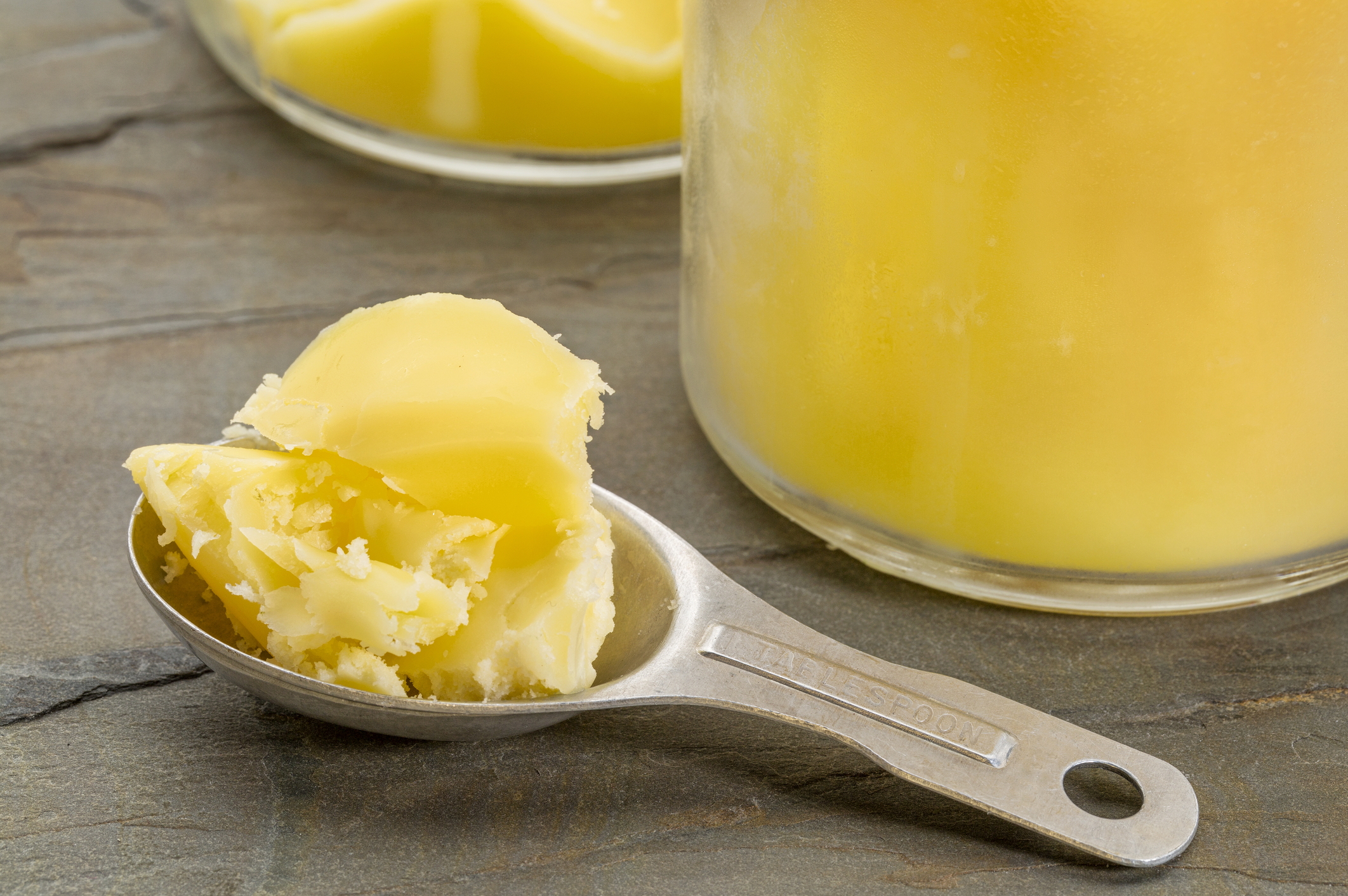
Q: Is ghee healthier than butter?
A: Ghee is a type of clarified butter that has been used in cooking for centuries. Recently, it has become popular as a possible healthier alternative to butter. While ghee and butter are very similar, ghee does have a few benefits in certain situations.
One advantage of ghee is that it can be heated to higher temperatures without burning. During the cooking process, the milk solids are removed, which makes ghee more stable when frying or sauteing. This can help reduce the formation of unwanted compounds that occur when butter burns.
Ghee is also easier to digest for some people. Because it contains very little lactose and casein, people with mild dairy sensitivities may tolerate it better than butter. In addition, ghee contains fat-soluble vitamins such as A, D, E and K, along with butyrate, a fat linked to gut health.
However, ghee is still high in saturated fat and calories, just like butter. Eating too much may raise cholesterol levels for some people.
Both ghee and butter can be part of a healthy diet when used in moderation. The best choice depends on how you cook, how much you use, and your individual health needs.
(Reprinted with permission from Environmental Nutrition, a monthly publication of Belvoir Media Group, LLC. 800-829-5384. www.EnvironmentalNutrition.com.)
©2026 Belvoir Media Group. Distributed by Tribune Content Agency, LLC.









Comments