Ask the Pediatrician: Toxoplasmosis: Protecting yourself and your baby during pregnancy
Published in Health & Fitness
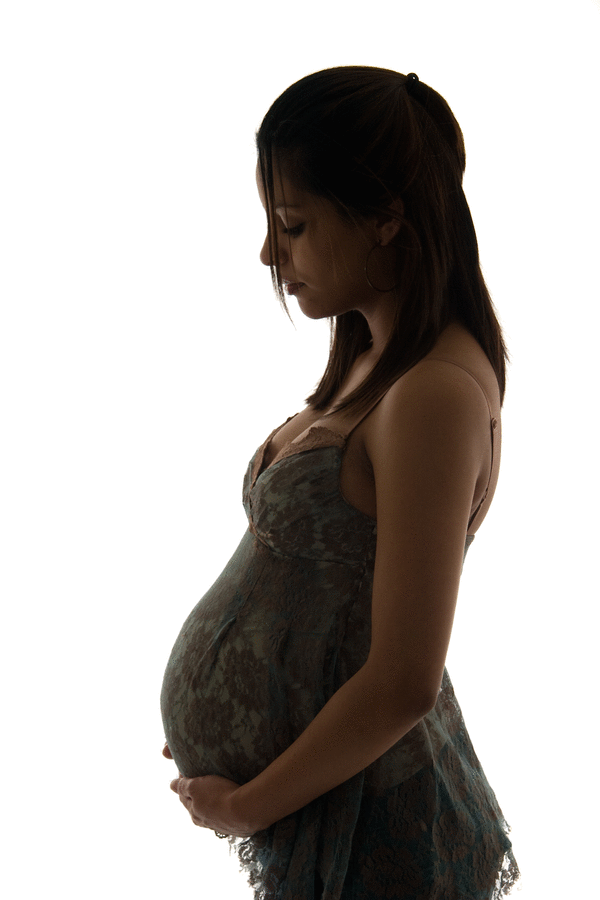
If you're pregnant, you may have been asked by medical professionals questions like, "Do you have a cat?" This comes from concern about toxoplasmosis, an infection caused by a microscopic parasite that cats can pass on.
You don’t have to surrender your beloved pet if you become pregnant, but there is some information to keep in mind to ensure safety for yourself and your child throughout your pregnancy.
Toxoplasmosis is caused by the parasite Toxoplasma gondii. Cats, both domestic and wild, are the only animals in which the parasite can complete its full life cycle. The parasite's eggs, called oocysts, are shed in cat stool and can contaminate soil, water and food.
Most people who become infected never develop symptoms, but if a person becomes infected for the first time during pregnancy or shortly before conceiving, the parasite can cross the placenta and infect the fetus. This is called congenital toxoplasmosis.
If a fetus becomes infected, toxoplasmosis can lead to a range of health problems, including premature birth, low birth weight, jaundice or other liver problems, abnormal blood counts, rashes, eye disease, developmental delays, seizures, brain calcification, and in extreme cases, stillbirth.
Some babies show no symptoms at birth but may develop complications months or years later. Your OB-GYN or pediatrician can discuss testing and treatment options if exposure is suspected.
Most adults including pregnant people either have no symptoms or experience mild, flu-like illness such as fever, fatigue, swollen lymph nodes, sore throat, and muscle or joint aches. If you're pregnant and worried you may have been exposed, contact your doctor promptly. They can help determine whether testing or treatment is needed.
Cats play an important role in spreading parasites, but you don't need to give up your cat. If you are planning on keeping your cat, there are things to keep in mind that can limit your exposure.
Cats become infected by eating raw meat, birds, mice or contaminated soil, and only cats that are actively shedding parasites in their stool can spread it. That period of active parasite shedding is typically short. Additionally indoor cats fed commercial cat food are much less likely to be infected.
To keep yourself safe living with your cat while pregnant, avoid changing the litter box if at all possible. If not, be sure to wear gloves and wash your hands after. Changing litter daily can also limit exposure as toxoplasma eggs need 1 to 5 days to become infectious.
Most infections actually come from food, not cats. You can reduce your risk by following safe food and water practices such as washing all fruits and vegetables, cooking meat and shellfish thoroughly, washing hands when cooking with raw meat, and keeping cutting boards clean and sanitized.
Because the eggs can survive in the soil as well, wear gloves when gardening and wash hands after outdoor activities. If you have a sandbox, be sure to cover it so cats don’t inadvertently use it as a litter box and potentially deposit parasites.
Toxoplasmosis is common, but there are straightforward ways to protect yourself and your baby. Safe food handling, good hygiene and avoiding contact with cat stool can significantly reduce your risk. If you're pregnant and have concerns about toxoplasmosis, reach out to your healthcare provider. They can guide you on testing, treatment, and steps to keep your pregnancy healthy.
____
Kedar Tilak, MD, FAAP, is board-certified in pediatrics and is currently in a combined fellowship training program in neonatology and pediatric infectious diseases at children's Mercy Hospital in Kansas City. Dr. Tilak's interests include clinical research, newborn sepsis, antibiotic stewardship in NICU and travel medicine.
Megan Yanny, MD, FAAP, is a board-certified general pediatrician and Assistant Professor in the Department of Pediatrics at the University of Wisconsin School of Medicine and Public Health. Dr Yanny is involved in medical student and resident education and is a member of the Wisconsin Chapter of the American Academy of Pediatrics.
©2026 Tribune Content Agency, LLC.









Comments