Hunger strike over 'unacceptable' food ends at Tacoma ICE detention center
Published in News & Features
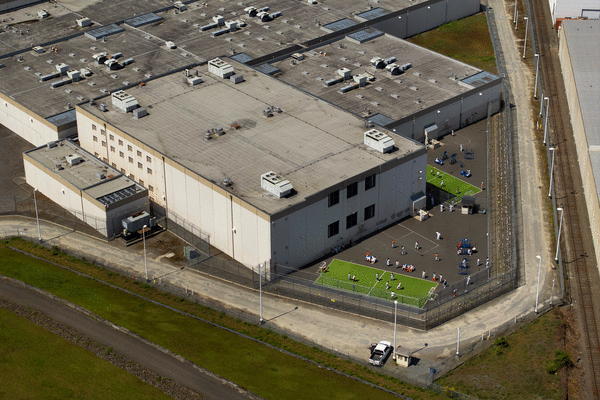



SEATTLE — After nearly a week, more than 140 detained people at the Northwest ICE Processing Center in Tacoma have ended their hunger strike over alleged inedible and untimely food portions and medical neglect.
The strikers were promised new menus, bigger portions and better food. But as of Thursday, the changes still have not been implemented, according to advocates.
The strike began last Tuesday and involved two units of detained people, who participated for five and six days, respectively. The strikers demanded edible food, timely meals, access to hygiene items and medical care, according to advocates.
They remain optimistic but cautious because they do not trust that GEO will actually follow through on their promises," said Josefina Mora-Cheung, a spokesperson for La Resistencia, an advocacy organization whose members recently talked to those who were previously on strike.
GEO Group, one of the largest private incarceration companies in the U.S. and the operator of the Tacoma detention facility, is in charge of the food in the detention center. But U.S. Immigration and Customs Enforcement is in charge of healthcare, according to a spokesperson for GEO Group.
ICE declined to comment.
The facility, about a mile away from downtown Tacoma, holds over 1,500 people and is one of the largest ICE detention centers in the country. Most of the people inside are indefinitely detained.
This is the 20th hunger strike this year at the facility.
At the facility, people have reported inadequate medical care, black mold in showers, unsafe drinking water, laundry returned wet and dirtier than before, and food containing “burned plastic, metal string, rope, splinters, hair, and worms."
On Saturday, two members of Congress arrived at the detention center unannounced amid the strike to see the conditions of the facility.
U.S. Rep. Maxine Dexter, D-Ore., visited the center alongside U.S. Rep. Emily Randall, D-Wash., and the two were allowed to tour housing units and the kitchen, but were denied access to the medical wing or medical staff.
Dexter and Randall said many questions remained about detainees’ health and hunger concerns after the visit.
"We hope that they can help create that pressure on ICE for medical attention and services that people require for life threatening conditions," Mora-Cheung said about the lawmakers' visit.
The strike also comes amid an ongoing legal battle between the state and GEO Group over health inspections. After the state passed a law in 2023 setting health and safety standards for private detention centers in the state, GEO Group has prevented health officials from inspecting the center.
The company has also faced allegations of inhumane conditions and mistreating the people in its care. In February, staff were sued for assault and sexual abuse.
"Although the legal battle continues, this hunger strike was a clear example of the need for levels of accountability that currently do not exist, Mora-Cheung said.
©2026 The Seattle Times. Visit seattletimes.com. Distributed by Tribune Content Agency, LLC.






Comments