The trauma of Venezuela's earthquakes still haunts thousands nearly 2 months later
Published in News & Features
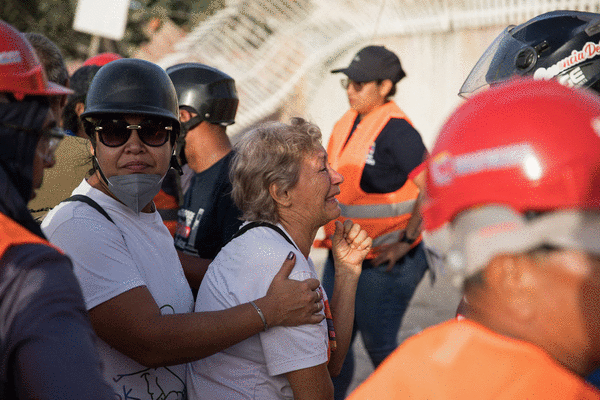
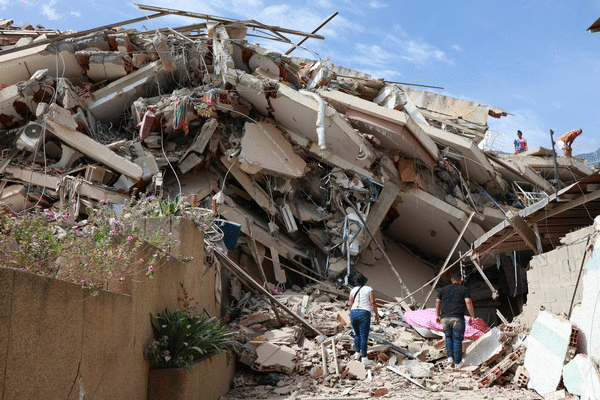
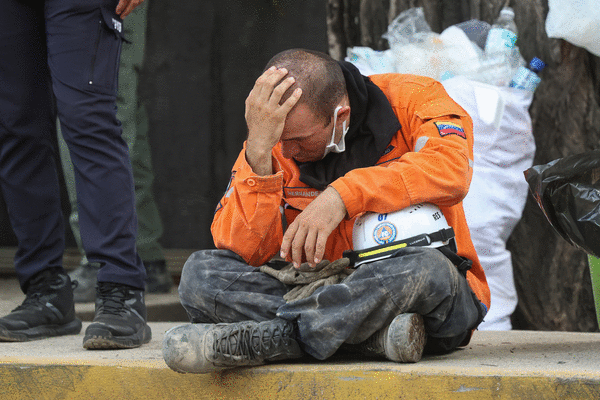
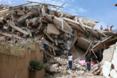
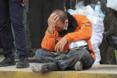
Robert Torres lost nine family members, including his granddaughter, in the devastating earthquakes that struck Venezuela. Even as he grappled with his own grief, he became a volunteer rescuer, first helping search for survivors and later recovering bodies from the rubble.
Nearly two months later, he is still helping recover bodies in La Guaira, one of the areas hardest hit by the magnitude 7.2 and 7.5 earthquakes. Each recovery reminds him of his own relatives and forces him to confront a pain that, he admits, “has been very difficult for me” and “is not easy.”
“Psychologically, this has affected me quite a bit,” he acknowledges. The pain of witnessing the devastation is intertwined with memories of his own family members, including his 8-year-old granddaughter, whose death, he says, “took me out of circulation.”
Torres, 59, is one of thousands of Venezuelans who, in addition to coping with the loss of family members, homes and livelihoods, are struggling with the psychological aftermath of the earthquakes.
For many, the tragedy did not end when the ground stopped shaking. The pain, memories of what they experienced and images of the destruction linger, affecting their daily lives.
“As a human being, it hurts me to see this whole situation. And on top of that, knowing that my family members were among those who were there, among the rubble, causes me even more pain,” he said in an interview with el Nuevo Herald from La Guaira.
Each time he helps recover a body — he has helped recover nearly 80 — he confronts scenes that stay with him long after his work is done.
“I cry when I am taking out a deceased person and I see a family member identifying them and crying. But they also say, ‘thank you because you got them out, I’m going to give them a Christian burial.’ I take that image home with me,” he says.
Torres tries to find ways to clear his mind. He reads. He also turns to valerian drops and Bach flower essences, which he says help him relax and sleep.
Emotional state ‘extremely affected’
Clara Astorga, president of the Federation of Psychologists of Venezuela, says the emotional well-being of Venezuelans in the aftermath of the earthquakes has been “extremely affected.”
She explains that, in an instant, some people lost family members, homes, belongings and part of their personal history. Compounding those losses is the uncertainty of not knowing whether they will ever be able to regain the lives they had before the tragedy.
Among the reactions they have observed are confusion, hopelessness, sadness, hypervigilance, anxiety, fear of the future and other trauma-related symptoms.
The psychologist says these emotional responses are normal following an extreme experience such as the powerful earthquakes that struck Venezuela on June 24, 2026.
She also warns that suicidal ideation can emerge after a disaster, with some people expressing thoughts of taking their own lives. Psychologists have identified such cases and intervene to assess the risks, support the person and help them find alternatives.
Astorga says psychological and medical care teams were deployed to the affected areas after the earthquakes.
The federation, universities and various governmental and nongovernmental organizations began working to support those affected and help them process an experience that, she explains, can have lasting consequences if not properly addressed.
“Everything that is not processed at the time can later turn into symptoms or more significant disorders,” she warns.
Yésica Serrano, regional adviser for Child Protection in Humanitarian Action at the NGO Plan International, warned a month after the earthquakes that the situation facing children and adolescents required special attention.
In the camps, aid workers were seeing physical ailments with no clear cause, along with signs of post-traumatic stress and a constant sense of insecurity.
Those symptoms reflected weeks of interrupted sleep, heightened startle responses and accumulated fear, she said.
“Once the immediate impact of the earthquake has passed, the aftermath does not disappear. It stays with children and adolescents in their bodies and minds. A headache, a stomachache, difficulty sleeping or fear of loud noises can be signs of distress that they do not know how to express in words,” she warned.
Astorga, in turn, stresses that emotional recovery will be a long process, especially for those who remain in La Guaira living in tents or displaced from their homes.
“It is not something you can expect people to immediately feel better from,” she says.
Torres, the volunteer rescuer, acknowledges that moving forward has not been easy. The pain of losing his family members remains as he continues working among the rubble.
“It has been very difficult for me, yes, it’s true. It is not easy at all, it is difficult,” he says.
In those moments, he says he draws strength from his faith. “I always rely on God as my angel, my crutch.” That belief, he adds, allows him to keep helping those who still need support after the earthquakes.
“Everything I do, I do for people who need help,” he manages to say, visibly overcome, his voice breaking as he cries.
Losing places tied to memories and personal history
Psychiatrist Andrés Fuenmayor explains that many of those affected lost not only family members, homes and belongings, but also places steeped in memories and connected to their personal histories.
When a place to which someone has been connected for years changes or disappears, it can create a sense of lost identity and trigger a range of psychological responses.
Among the most common conditions that psychologists and psychiatrists participating in the Humanamente initiative have observed in survivors are periods of grief over their losses, generalized anxiety and depression.
“There are moments when people have told us they have difficulty sleeping, connecting with their families, and returning to their partners because they feel so disconnected from reality that they have not been able to resume their daily activities,” he told el Nuevo Herald.
Many people, he adds, including mothers and fathers, feel completely disconnected from their children because they do not know how to help them or how to cope with the emotional stress they themselves are experiencing.
Providing psychological care to those affected
The Federation of Psychologists had provided care to 1,486 people in six camps, handled 522 cases through its psychological support hotline, assisted 312 people through its online volunteer psychologist program and another 107 through its in-person psychological care service, according to data through Sunday, Aug. 16.
It also established an online anxiety-management group that has provided care to 68 people.
In all, the Federation of Psychologists had provided assistance in 2,495 cases.
Humanamente, an initiative created by Fuenmayor, has treated about 120 patients and has nearly 250 verified volunteers in 26 countries who provide free assistance remotely.
“We are coordinating with organizations nationwide so that there is access through a tablet and a safe space in the shelters, so that people affected by the disaster can communicate with our mental health providers,” the psychiatrist said.
The initiative has the support of the VAMA Foundation, the humanitarian arm of the Venezuelan American Medical Association, based in Miami.
While mental health teams work to help survivors process the trauma, Torres continues to confront the pain of the tragedy on another front: among the rubble, where bodies remain to be recovered.
He says he will continue helping for as long as necessary. Only a few volunteers remain involved in rescue and recovery efforts, and he believes they must stay until the work is finished.
“We have to stay until the very end, until there are no deceased people left there, and then leave peacefully, with our hearts held high and full,” he says.
“We cannot leave anyone alone,” he concludes.
©2026 Miami Herald. Visit at miamiherald.com. Distributed by Tribune Content Agency, LLC.





Comments