Struggling Santa Monica pins revival on alcohol and big events. Can it bring business back?
Published in News & Features
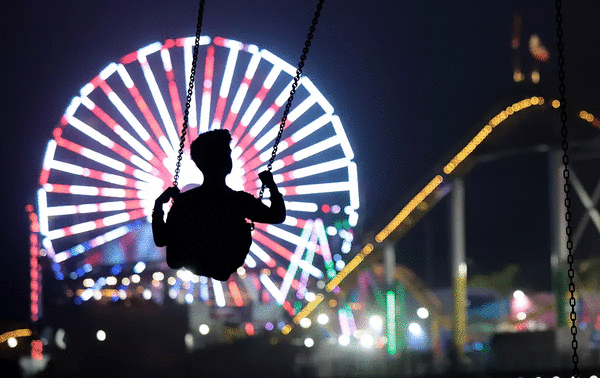
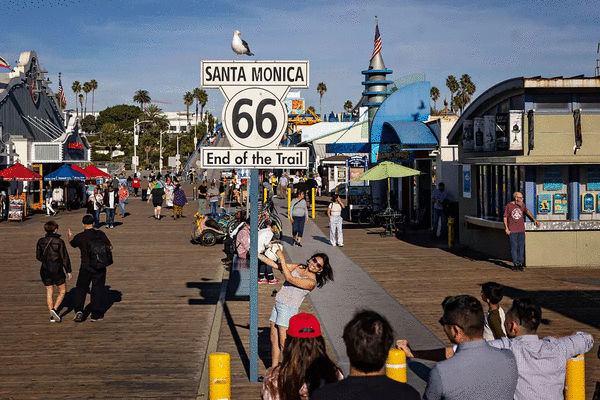
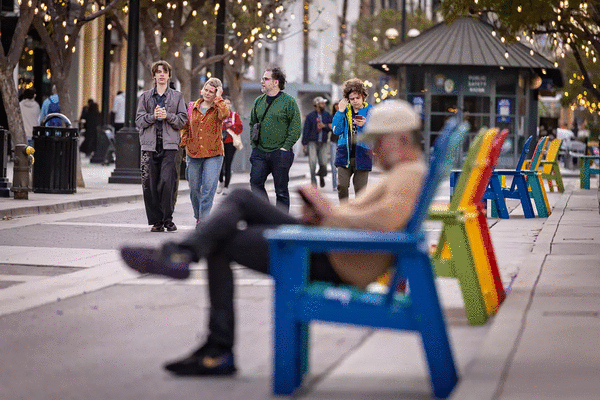
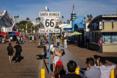
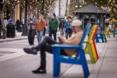
SANTA MONICA, Calif. — For much of its history, Santa Monica has been the subject of glamorous picture postcards: The fun of the pier, the beauty of the beach, the innovative shopping meccas and tourist spots.
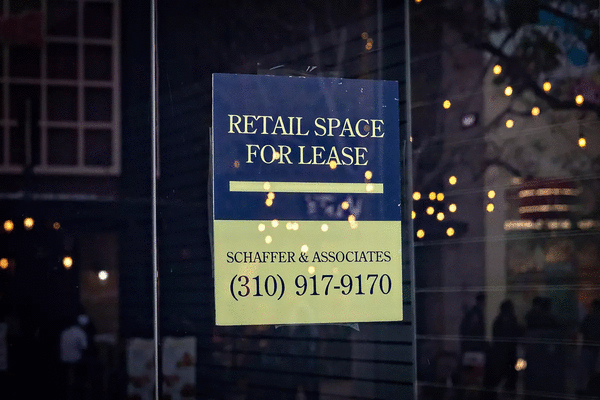
But in recent years, the city has endured its share of unflattering images: empty storefronts on the once-bustling Third Street Promenade, the closure of long-serving businesses across the city and challenges with its unhoused population.
Many cities have been slow to recover from the COVID-19 pandemic, but Santa Monica’s struggles have been notable. With tax revenue falling, the city last year declared itself in “fiscal distress.”
Now, Santa Monica leaders say, the city is poised for a turnaround, with special events — and a refreshing drink or two — the keys to bringing tourists and locals back to the downtown area.
The effort is built around a central realization: The days when Santa Monica would expect visitors simply because it was Santa Monica are gone. Now, the city must earn its business. The local economy — and the tourist industry — has changed since the heyday of the early 2000s, officials said, and Santa Monica must change with the times.
“We know that if we want to invite foot traffic to Third Street Promenade, the consumer trends are different than they were in early 2000s,” Mayor Caroline Torosis said. “We have to bring economic recovery back, and we weren’t going to do that doing business as usual. We have to invite people back.”
Toward that end, the city plans to invest $3 million into its moribund Third Street Promenade and is banking on a series of deals to draw sports fans, concertgoers and diners back.
This year, the city is set to have a balanced budget. By the end of 2026-27, officials expect to find themselves with a $5.4-million surplus — if the revival is successful.
Some are skeptical, saying Santa Monica needs to take more aggressive measures to ease its homeless problems and attract more shoppers and diners.
“The problem is we’re seeing more restaurants give up on Santa Monica and go to L.A.,” said John Alle, a property owner and founder of a nonprofit group called Santa Monica Coalition. “Santa Monica is doing all the wrong things.”
The city’s revival bet, Torosis said, banks on Santa Monica’s reputation as a California destination — with its beaches, pier and Third Street Promenade prime locations for concerts, sports watch parties and other large entertainment events. With the upcoming World Cup, Super Bowl and Olympics, the city hopes increased foot traffic will also mean eager shoppers.
The strategy includes alcohol.
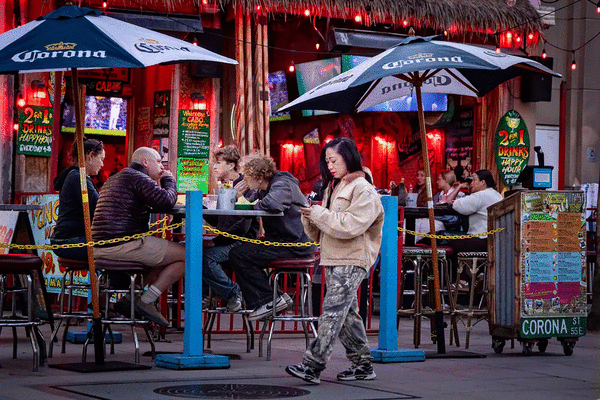
Last year, the city approved an “entertainment zone” at the Third Street Promenade where people can now buy and walk with open alcoholic drinks between Wilshire Boulevard and Broadway. In March, city officials voted to expand the zone to the entire downtown area during special events. (The entertainment zone can be expanded during large events and limited to specific sections during smaller ones.)
For the World Cup, City Manager Oliver Chi said, Santa Monica has worked with FIFA to create an interactive zone at the pier for fans, including watch parties.
The city is working with concert promoter Goldenvoice to host a two-day music festival in the fall, and also working with ESPN to put on an event tied to the 2027 Super Bowl.
“We can create events and activity that will draw people into the city,” Chi said.
Officials also point to signs of revitalization and improvement already taking place.
Restaurants that were warning the city they were on the brink of shutting down have signed new leases, Chi said. And seven housing projects are moving forward with financing and construction despite a challenging macroeconomy.
The city is seeing a 12.5% drop in violent and property crimes this year when compared with the same period in 2025, and has hired more officers — the department is projected to be fully staffed for the first time in 20 years. i
Still, there are signs of a tough road ahead.
Along the Third Street Promenade, several storefronts remain empty.
Peter Wright, a 51-year-old from the U.K. who was vacationing in Santa Monica with his family, was surprised at the number of people milling about the promenade on a Monday morning.
“It looks pretty hectic and lively,” he said as he waited for his wife and two kids outside the Museum of Illusions.
But, he said, the number of homeless people in the area made him a bit wary.
Reviving downtown is just one part of the plan to improve Santa Monica’s finances.
The city has increased parking fees and issued more traffic citations in recent months — while also trying to help businesses with some administrative breaks. The City Council approved a measure for restaurants to be exempted from a $1,400-per-seat wastewater fee, and eliminated a fee for eateries that have chairs and tables placed outdoors on sidewalks.
The city also has launched a “business concierge” program to focus on local establishments’ needs, help streamline permitting and walk them through city processes to help them succeed, Torosis said.
But not everyone sees the positive picture that the city is painting.
“We’re not seeing any improvement,” said Alle, of the Santa Monica Coalition. “We’re hearing a lot of talk, but our retail is down.”
Alle and the Santa Monica Coalition have been vocal critics of the city, particularly its handling of homelessness and crime. The group has published videos and pictures of unhoused people in Santa Monica, and interviews with business owners and employees critical of the presence of homeless people and lack of security and police in business areas.
Despite the city’s most recent economic report, said Alle — who owns and operates several properties in the city — he doesn’t believe the tide is turning.
He points to the fact that, despite his efforts to bring new businesses into his properties, many are unwilling because of concerns over security.
According to the Los Angeles Homeless Services Authority, about 200 people were living in Santa Monica shelters in 2025 and 475 were unsheltered.
“It’s the homeless,” Alle said. “The homeless and the lack of enforcement.”
City officials disagree.
They point to the Santa Monica Police Department’s homeless liaison program, which works with the Fire Department, city attorney’s office, human services division and the L.A County Department of Mental Health to identify those eligible for social services.
Officials also say police are being more proactive in hopes of making residents and visitors feel safe, adopting a beat model to make their presence more visible.
Police made more than 100 arrests per week in February and March, city officials said, and increased proactive drug investigations by more than 157% between December and February, according to a city report.
For some businesses and residents, it’s not enough.
The Santa Monica Coalition has in recent months started a program to provide homeless people in the city with one-way tickets — either plane, bus or train rides — out of Los Angeles County, back to their hometowns or family.
So far, Alle said, the group has provided 41 individuals with travel fare out of the city.
He said he’s hopeful that upcoming entertainment events might draw in visitors and revenue, but he doubts that the incentive for them to be able to carry alcoholic drinks on the streets will help.
“Many retailers have signs on their windows that say ‘No alcoholic drinks inside,’” he said. “We’ll see how it goes. We’re hoping it goes well.”
_____
©2026 Los Angeles Times. Visit at latimes.com. Distributed by Tribune Content Agency, LLC.





Comments