The US murder rate fell to historic lows in 2025 – here’s why
Published in Political News
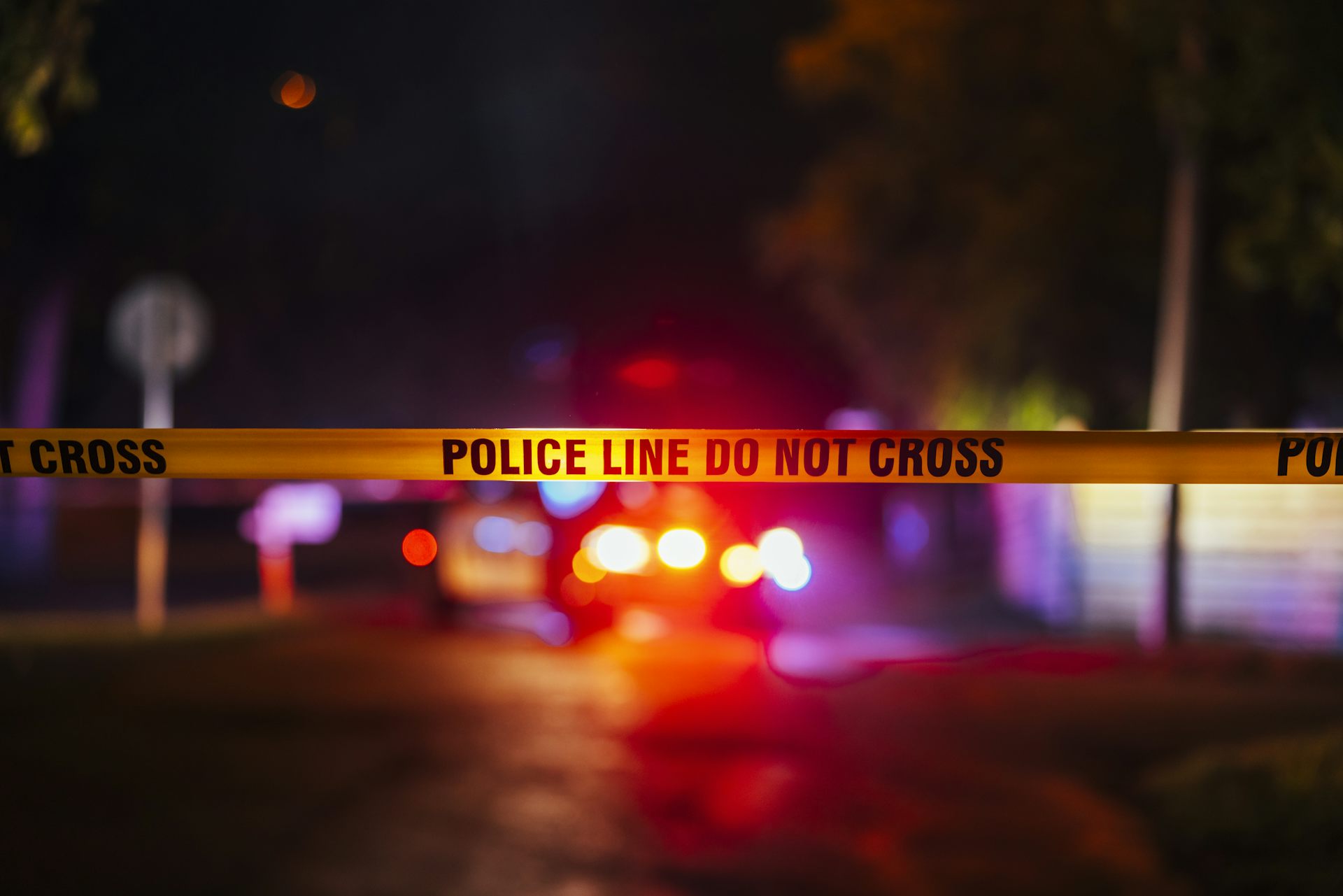
The murder rate in 2025 was the lowest in modern American history.
Preliminary data shows the murder rate fell nearly 20% from 2024, likely making it the lowest rate since reliable national data began to be collected in 1960.
Why was the murder rate so low?
I’m a professor of sociology and criminology who studies crime trends. In my book, “Crime Wave,” I explore how homicide rates have closely followed three trends over the past decade: alcohol consumption, drug abuse and firearm purchases. Now that the drug and alcohol crises are waning and gun purchases are falling, so too is the murder rate.
The murder rate’s previous low came in 2014, capping a decline that had been more or less continuous since the early 1990s.
The murder rate usually rises and falls alongside other crimes, so through the 2010s, with property crime and overall youth offending dropping, criminologists expected the murder trend to follow suit.
Instead, the national murder rate increased sharply in 2015 and 2016, and then by an even larger margin in 2020.
Suddenly, it appeared that violent crime was spiraling out of control. By 2021, the homicide rate hit its highest level since the mid-1990s.
Some researchers and commentators attributed the homicide spikes to a so-called “Ferguson effect” in 2015 and, likewise, a “Minneapolis effect” in 2020. These theories are based on the idea that law enforcement officers were reluctant to be proactive or make arrests after nationwide protests against police brutality related to the police killings of Michael Brown in Ferguson, Missouri, in 2014 and George Floyd in Minneapolis in 2020. The evidence for these claims is mixed.
There is little consistent indication that a decline in proactive policing contributed to a crime increase in 2015, although the homicide spike in 2020 was likely exacerbated by a police “pullback”.
Still, the majority of the homicide spike took place before June 2020, when protests over Floyd’s death spread nationwide. A study published in the journal Epidemiology found that the increase began as early as October 2019, suggesting de-policing in the summer of 2020 likely worsened the rise rather than caused it.
De-policing is, at best, an incomplete explanation.
As I document in “Crime Wave,” the crisis in violence was related to another crisis: deaths of despair, which include drug overdoses, suicides and alcohol-related fatalities.
In the years leading up to the 2015 homicide spike, the prescription opioid crisis gave way to the illicit opioid crisis. As opioid use shifted toward heroin and fentanyl, it became deadlier. People were more likely to overdose, and the drug market moved from pharmacists into the hands of street dealers. It wasn’t just the pharmacological effect of drugs but the systemic nature of drug markets – disputes between dealers, buyers and users – that contributed to the spike in homicides.
At the same time, alcohol consumption began to accelerate. Alcohol is connected to homicide rates in part because it decreases inhibition, nullifying social and personal constraints. A high percentage of both homicide offenders and victims are under the influence of alcohol during a fatal assault.
Finally, amid growing distrust of the police and the government, firearm sales began to increase during 2015 and 2016, setting an all-time record in 2020. Given that assaults with a firearm are more likely to lead to the death of the victim than assaults using other weapons, confrontations became deadlier.
In my assessment, the homicide rate moved in near lockstep with trends in drug overdoses, alcohol consumption and firearm purchases, each of which increased by its largest margin in 2020.
The COVID-19 pandemic likely exacerbated the substance abuse crisis, and the gun-buying spree was especially pronounced at three points: in March 2020, when the U.S. declared a national emergency over COVID-19; in June 2020, following the Floyd protests; and in the months surrounding the 2020 presidential election.
With more people under the influence of alcohol, an expanding illicit drug market and more guns available, the murder rate dramatically increased.
After peaking in 2021, the murder rate began to fall. This occurred slowly at first in 2022, but the estimated declines in 2023, 2024 and 2025 have been substantial. The reversal in the homicide trend has followed a similar timeline as the substance abuse and firearm purchasing patterns, though some indicators of firearm possession, such as their use in suicides, remain elevated.
When the homicide rate was rising, it defied criminologists’ expectations, breaking away from the property crime decline of the 2010s. Now, the murder rate is falling back in line with other crime trends, many of which are also among the lowest ever recorded. As the substance abuse crises continue to wane, I expect murder rates to fall even further in the near future.
Additionally, with youth criminal involvement hitting historic lows, the next generation appears to be one of the least criminally prone in decades, which bodes well for continued reductions in the murder rate.
This article is republished from The Conversation, a nonprofit, independent news organization bringing you facts and trustworthy analysis to help you make sense of our complex world. It was written by: James Tuttle, University of Montana
Read more:
US violent crime is at its lowest in more than a century – but the funding that helped reduce it is disappearing
Crime is nonpartisan and the blame game on crime in cities is wrong – on both sides
Gun violence in Philadelphia plummeted in 2024 − researchers aren’t sure why, but here are 3 factors at play
James Tuttle does not work for, consult, own shares in or receive funding from any company or organization that would benefit from this article, and has disclosed no relevant affiliations beyond their academic appointment.


















































Comments