Independent, Democrat challenging US Rep. Begich meet at Anchorage forum
Published in Political News
Critics of Alaska's Republican lone U.S. House representative want a change, but exactly who they should throw their support behind is still in contention.
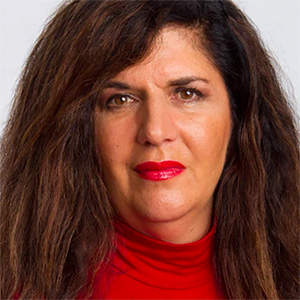
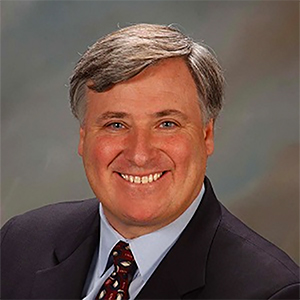
On Saturday evening, the two front-runners challenging freshman Rep. Nick Begich in November for a two-year term in the U.S. House of Representatives made their case to a packed auditorium at the Loussac Library in Midtown Anchorage. Democrat Matt Schultz, the pastor of Anchorage First Presbyterian Church, sat alongside independent Bristol Bay fisherman and now-retired public educator Bill Hill fielding questions about climate change, economic development and the mounting cost of living in America.
Progressive forum organizers Native Movement Action Fund, Alaska March On and Alaska Forward left an open seat for Begich on stage and repeatedly noted he declined to attend the event during the program. He attended the Alaska Republican Party's statewide convention held in Soldotna this weekend.
During the hourlong forum, Hill and Schultz stood shoulder-to-shoulder on many key issues. They both emphatically said they believe in climate change and raised concerns about its impacts on Alaska, vowed to protect the rights of transgender Americans and criticized the President Donald Trump-backed One Big Beautiful Bill Act's cuts to the country's social safety net.
Both also declined to say whether they support the proposed Alaska LNG project and drilling in the Arctic National Wildlife Refuge.
In their pitch to voters, they emphasized different aspects of Alaska life and what's at stake in this year's midterm election. In response to a question about the rising cost of living, Hill, who is Dena'ina Athabascan and a longtime resident of the Bristol Bay village of Naknek, talked about the urgent need to find a solution for high fuel prices and energy insecurity in communities off the road system.
"We need to take care of the people and places that built this state, and I want everyone to remember that Bush Alaska is not a burden on Alaska," he said. "Bush Alaska is where the resources come from that have built this state."
Schultz used the question as an opportunity to make his pitch for universal healthcare, whether that would be a single-payer, Medicare-for-all style system or some other way to create a publicly funded healthcare network in the United States. He described his decades of experience as a clergy member sitting with people as they die, and the crushing financial reality for their loved ones left behind.
"In that moment when people should say, 'How will I deal with this grief and move forward without my spouse,' instead of dealing with that emotional and spiritual trauma, what they turn to me and say is, 'I can't believe we're going to lose our house' because healthcare is too unaffordable that even dying is too expensive," he said.
Voters will decide in the Aug. 20 open primary who will advance to the November general election, with voters set to rank Begich, Hill, Schultz and the three other candidates who have registered to run but so far aren't actively campaigning ahead of the November general election.
Few firm answers on resource development
Saying no to the Pebble mine was easy for the two candidates, but they both declined to say where they stood on other high-profile resource development projects elsewhere in the state.
After answering a round of long-form questions, event moderators Rhonda McBride, KNBA senior reporter, and now-retired Alaska journalist Joaqlin Estus moved to a "lightning round" where Hill and Schultz were asked to weigh in on questions using only signs, not their words.
The pair both quickly put up red X's when asked if they supported the long-contested proposal for a mine at the headwaters of the Bristol Bay, but once they realized the questions would all be about other controversial resource development projects, they stopped using the signs and spoke to the crowd instead.
Schultz joked with the audience he would prefer to have a sign reading "it depends" to answer tough questions on whether he supports hotly debated proposals, like the Graphite One mine near Nome or the construction of Ambler Road to open up access to mining in the Interior. He said these decisions should be made by young people, who would have to live with decades of development, and groups who live closest to the areas impacted.
"We need to make sure the table is populated by Alaskans who will live with the consequences of these projects day after day after day after day and that the table isn't entirely populated by billionaires from Texas," he said.
Hill agreed, noting the ongoing tension in rural Alaska Native communities over the desire to protect the environment to preserve subsistence living and Native corporations that could see big economic windfalls from mining, oil drilling and other resource extraction initiatives.
"I don't think government interference or somebody who may be in the government should be a part of that project," Hill said. "I had a wise person tell me recently that when Native people are fighting each other, somebody else is winning."
Neither candidate chose to answer at all when asked to hold up a sign indicating whether or not they support oil drilling in the Arctic National Wildlife Refuge or a proposal to build an 800-mile trans Alaska pipeline for liquid natural gas. Both candidates did use the green checkmark sign to say if the LNG pipeline is built, the federal government should subsidize it.
Should AI data centers be in Alaska?
Like their answers on resource development projects, Schultz and Hill didn't draw a line in the sand on whether or not they'd support bringing artificial intelligence data centers to Alaska.
The combination of data centers' water usage and heavy burden on the power grid, plus the relatively few jobs the data centers create once they're completed, have made them a political flash point across the country.
On the other hand, their supporters say they can bring necessary tax revenue and economic development to rural areas like Alaska and provide national security infrastructure as the internet becomes increasingly integrated into every aspect of daily life.
The Department of the Air Force last month invited developers to pitch early-stage plans build AI data centers on military bases around the country, including three in Alaska. The plans stem from Trump's executive order to boost artificial intelligence in the U.S.
Neither Schultz nor Hill would say one way or the other how they felt about the idea of AI data centers in Alaska.
"If Alaskans suffer a shortage of water because of these data centers, no, then we shouldn't do it, but if they are good for the economy, they can provide their own power and are not going to impact the resources our people are relying on and they can provide good jobs, then let's go for it," Hill said.
Schultz took a similar, although more cautious stance.
"We need to find ways to manage it and control it properly and find ways to reap a lot of benefits for the people of Alaska without destroying our energy grid and the environment," Schultz said. "There's hope for it to work, but I've not yet seen the plan that lives out that hope."
©2026 Anchorage Daily News. Visit at adn.com. Distributed by Tribune Content Agency, LLC.











































Comments