How the National Security Council typically functions to plan and fully assess risks when presidents consider going to war
Published in Political News

Three weeks into the U.S. war with Iran, it seems increasingly evident that President Donald Trump and his administration miscalculated how Iran would respond to attacks.
Besides appearing unprepared by the escalation of war, the president has offered contradictory statements on the U.S. rationale for bombing Iran, including that Iranian missiles could “soon” rain down on American cities.
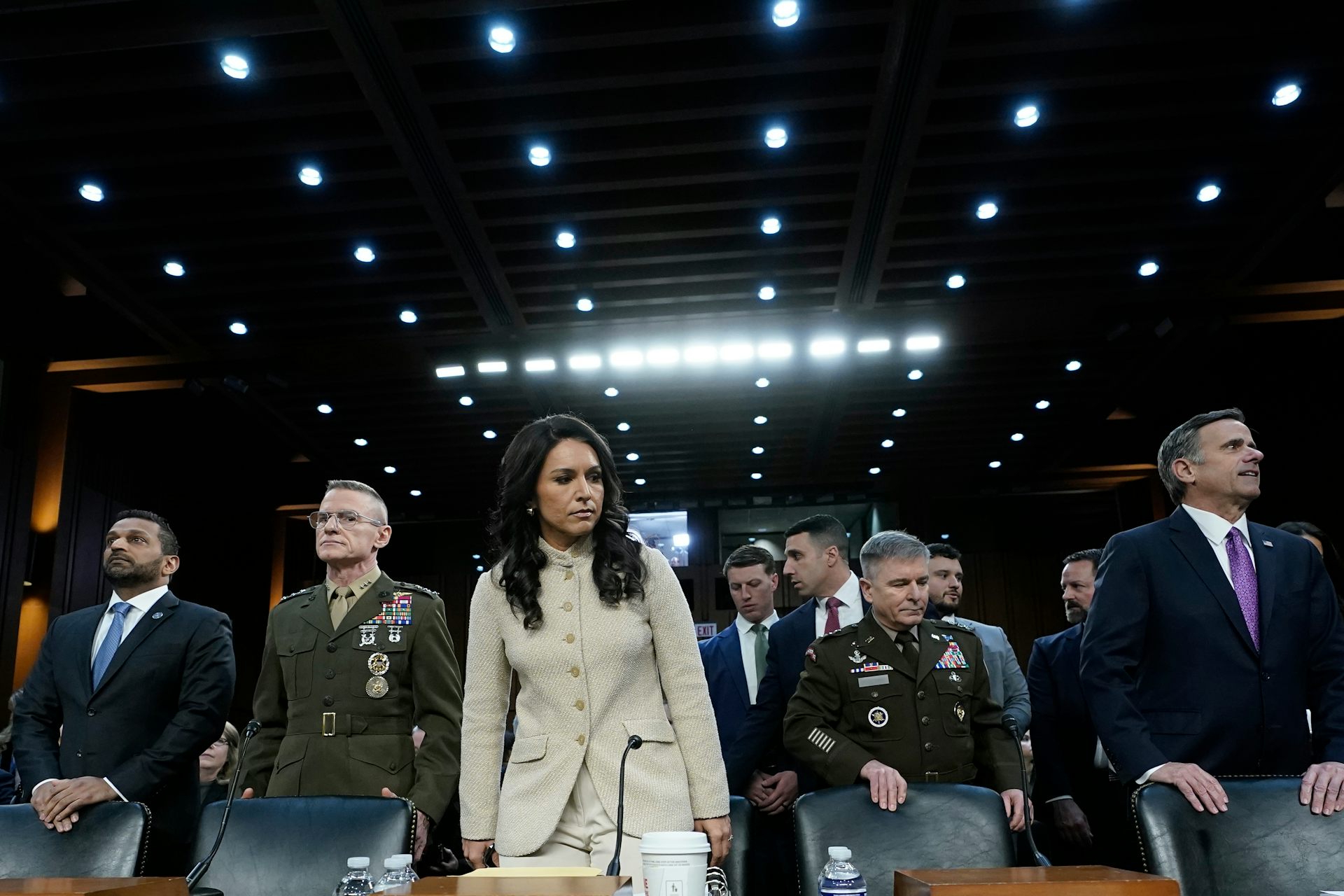
The administration’s inconsistent rationale for waging war was laid bare on March 18, 2026, when Tulsi Gabbard, the director of national intelligence, testified before the Senate Intelligence Committee and declined to say whether her agency had made an estimate of if and when Iran would threaten the U.S. mainland.
“It is not the intelligence community’s responsibility to determine what is and is not an imminent threat,” Gabbard said.
The statement was especially odd given that the briefing’s subject was the U.S. intelligence community’s latest global threat assessment. It’s clear to me that neither Gabbard nor other members of the intelligence community were part of Trump’s decision-making about going to war.
Besides serving as chair of the National Intelligence Council in the Barack Obama administration, I was a staff member of the National Security Council in the Jimmy Carter administration. I know that this apparent lack of a coordinated policy on Iran is a far cry from the war preparation and planning done during previous presidential administrations.
Typically, the National Security Council, which consists of the Cabinet secretaries of the national security agencies, does its work through its committees, including the Deputies Committee, which is made up of the top deputies in those departments. The Deputies Committee reviews plans and assesses options, usually presenting a recommendation to the principals, including the president.
In that sense, the National Security Council is seen within an administration as the honest broker, especially in balancing the roles of the two main foreign affairs departments: the State Department and the Defense Department.
To be sure, different administrations have used the National Security Council in different ways.
President Dwight Eisenhower created the modern National Security Council. His was an elaborate structure, with groups for both assessing options and overseeing implementation. It reflected his wartime experience, with careful staffing from a general staff whose responsibilities ranged from operations and logistics to intelligence and plans.
Other administrations have favored less formal arrangements. John F. Kennedy, for instance, kept discussions with the National Security Council secret during the 1962 Cuban missile crisis. But all the National Security Council stakeholders were represented, and Kennedy reached out to consult outside expertise on the Soviet Union.
Lyndon Johnson made Tuesday lunches his forum for debating decisions about U.S. involvement in Vietnam. Beginning with just his secretaries of state and defense, the lunches became a National Security Council meeting but in less formal circumstances. The CIA director, the chair of the Joint Chiefs of Staff and the press secretary were later added to the group.
In other administrations at war, including the George H.W. Bush and George W. Bush administrations in Iraq, the Deputies Committees would meet daily to assess progress and review options for what came next.
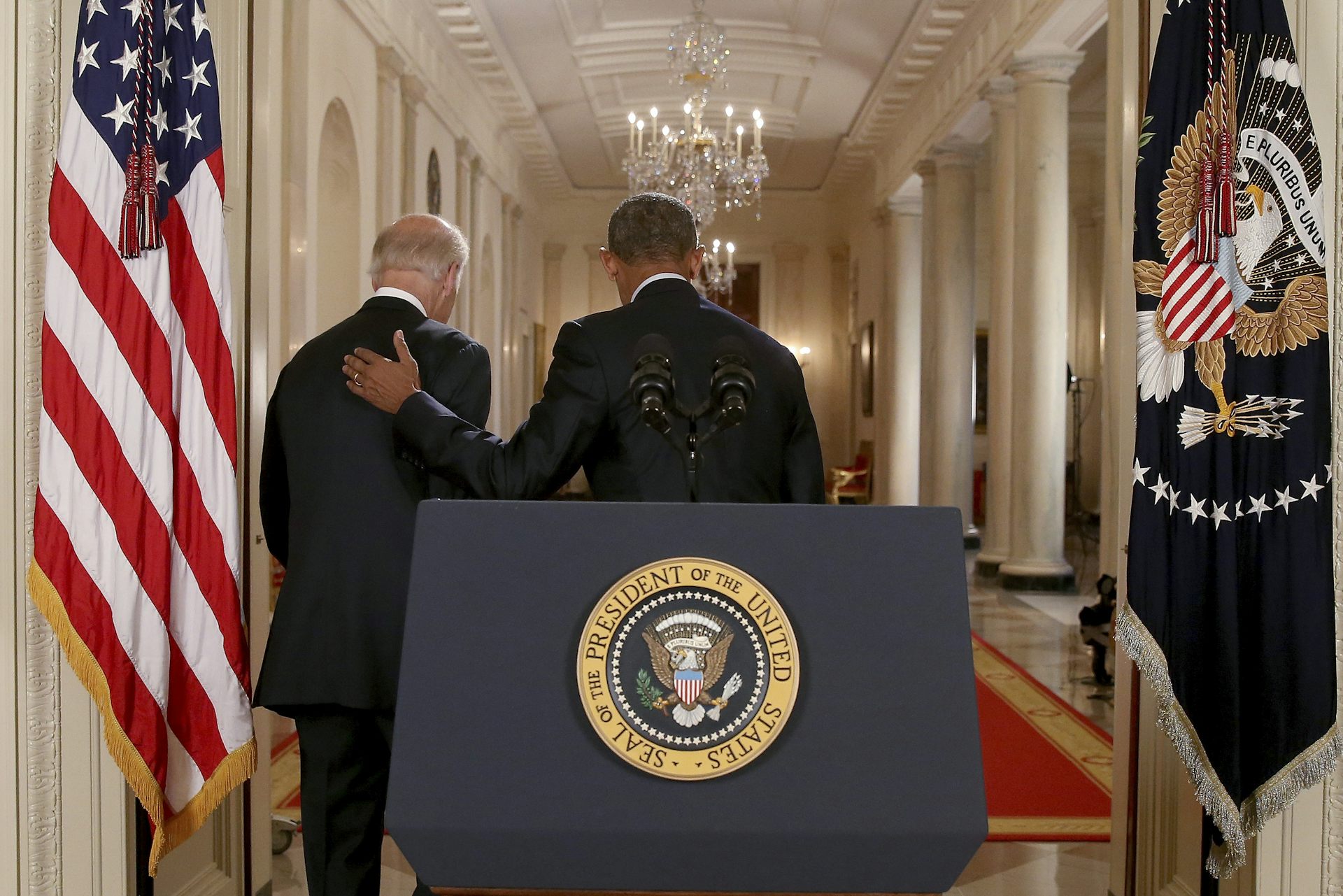
In the Obama administration, the National Intelligence Council I chaired supplied the intelligence support to the Deputies Committee. We provided a steady stream of intelligence assessments across various subjects. Those included pro-democracy protests during the Arab Spring in the 2010s to Russia’s annexation of Crimea in 2014 and the 2015 Iran nuclear deal.
The intelligence assessments provided the information – about where wars stood and what may come next – used for discussion among the deputies. They were discussions informed by experts on the Deputies Committee and from staff on the National Security Council who specialized in the region or military affairs.
This was nowhere better illustrated than in negotiating the Obama administration’s nuclear agreement with Iran. The deal required bringing together experts on Iran and regional dynamics in the Middle East with experts on nuclear fuel cycles and the making of nuclear weapons.
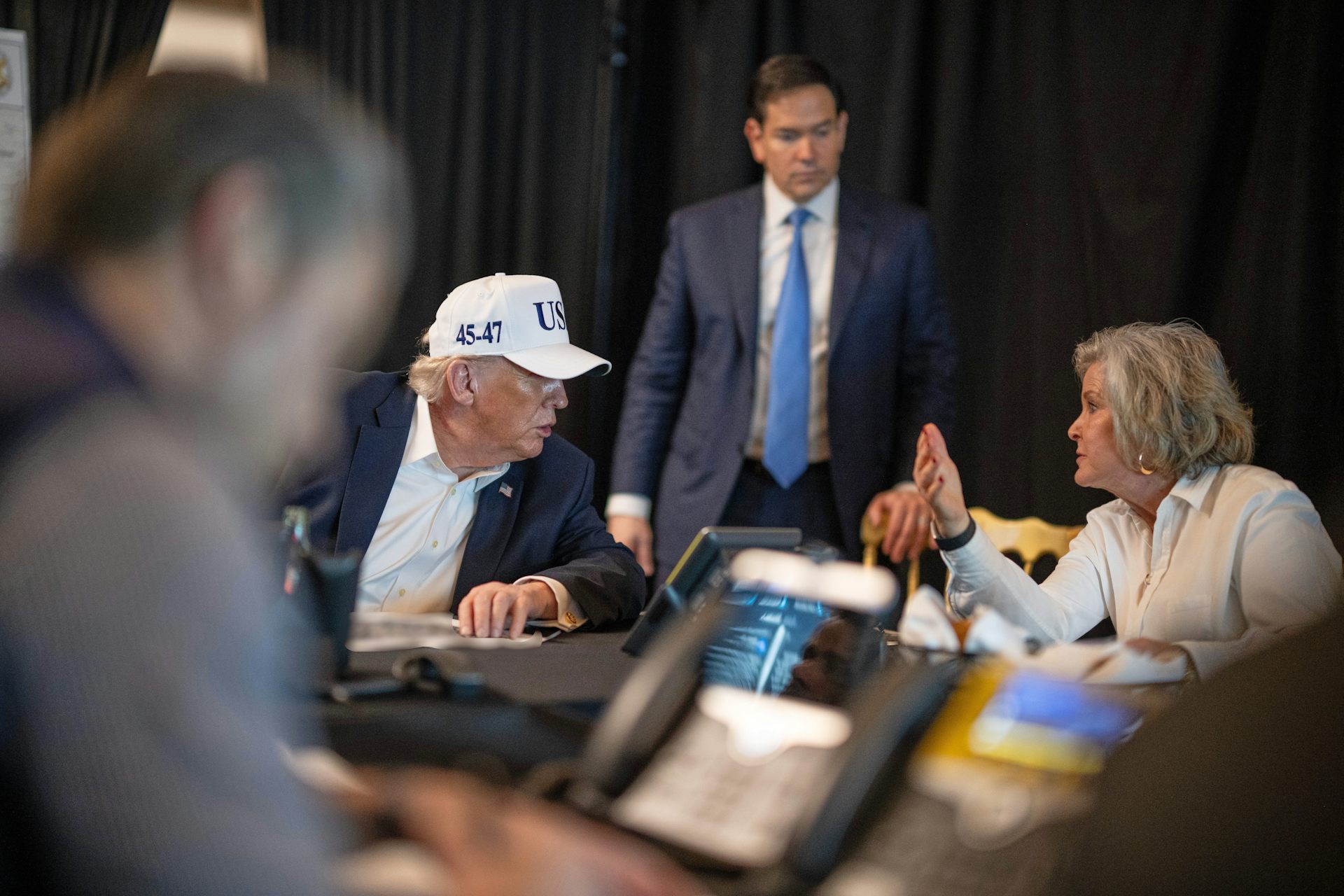
The Trump administration cut the National Security Council staff in half in May 2025, to around 150. The plan was to streamline and restructure national intelligence under Secretary of State Marco Rubio.
Since White Houses always want to pretend they are cheaper than they are, most staff with the National Security Council are seconded – or loaned for free – from one of the agencies. The process saves the White House money. But it also provides it with invaluable in-house expertise and exposes those seconded officials to presidential policymaking.
A friend and colleague who served as under secretary of defense quipped that every time he saw a State Department counterpart coming to a Deputies Committee meeting, he knew what was coming in substance: a request for a military solution to a geopolitical problem.
His stock answer: “Yes, we can do that, but it’ll require 100,000 soldiers and cost US$10 billion.” That answer was his quip, but the Deputies Committee provided a forum for arguing about the merits of the case.
The Trump administration in January 2025 outlined the National Security Council structure in familiar terms. But the Joint Chiefs of Staff chairman and director of national intelligence, both a regular presence in debates in previous administrations, were made situational rather than regular members. They would attend as needed, not automatically.
But the National Security Council has hardly been seen since, unlike Trump’s Cabinet, which gathers occasionally at meetings that often begin with Cabinet members lavishing praise on the president.
Brian Kilmeade of Fox News Radio asked Trump on March 13, 2026, about that inner circle.
“In your Cabinet with the vice president, secretary of state, what is it like, what are the dynamics when you have a big decision like Iran or Venezuela?” Kilmeade asked. “Are people speaking up and speaking their minds?”
Trump’s answer spoke volumes.
“They do,” the president said. “I let them speak their mind, and they do. And we have some differences, but they, they never end up being much. I convince them all to, let’s do it my way.”
Perhaps this casual approach to national security from the Trump administration should not surprise Americans after “Signalgate” – when administration officials in 2025 used the messaging app Signal rather than secure government modes to discuss U.S. military strikes on Yemen and inadvertently included a journalist in the communications.
But when lives are at stake, not to mention Americans’ pocketbooks and the global economy, I think the nation deserves better. Conducting a war requires a hard-headed process for assessing progress and evaluating next steps. In other administrations, the National Security Council would have provided that.
This article is republished from The Conversation, a nonprofit, independent news organization bringing you facts and trustworthy analysis to help you make sense of our complex world. It was written by: Gregory F. Treverton, USC Dornsife College of Letters, Arts and Sciences
Read more:
Overconfidence is how wars are lost − lessons from Vietnam, Afghanistan and Ukraine for the war in Iran were ignored
Israeli action in Lebanon risks repeating history’s mistakes — and torpedoing a historic moment for dialogue
A web of sensors: How the US spots missiles and drones from Iran
Gregory F. Treverton does not work for, consult, own shares in or receive funding from any company or organization that would benefit from this article, and has disclosed no relevant affiliations beyond their academic appointment.





































Comments