Does Being Fashionable Stop When It’s Really Hot?
Published in Fashion Daily News
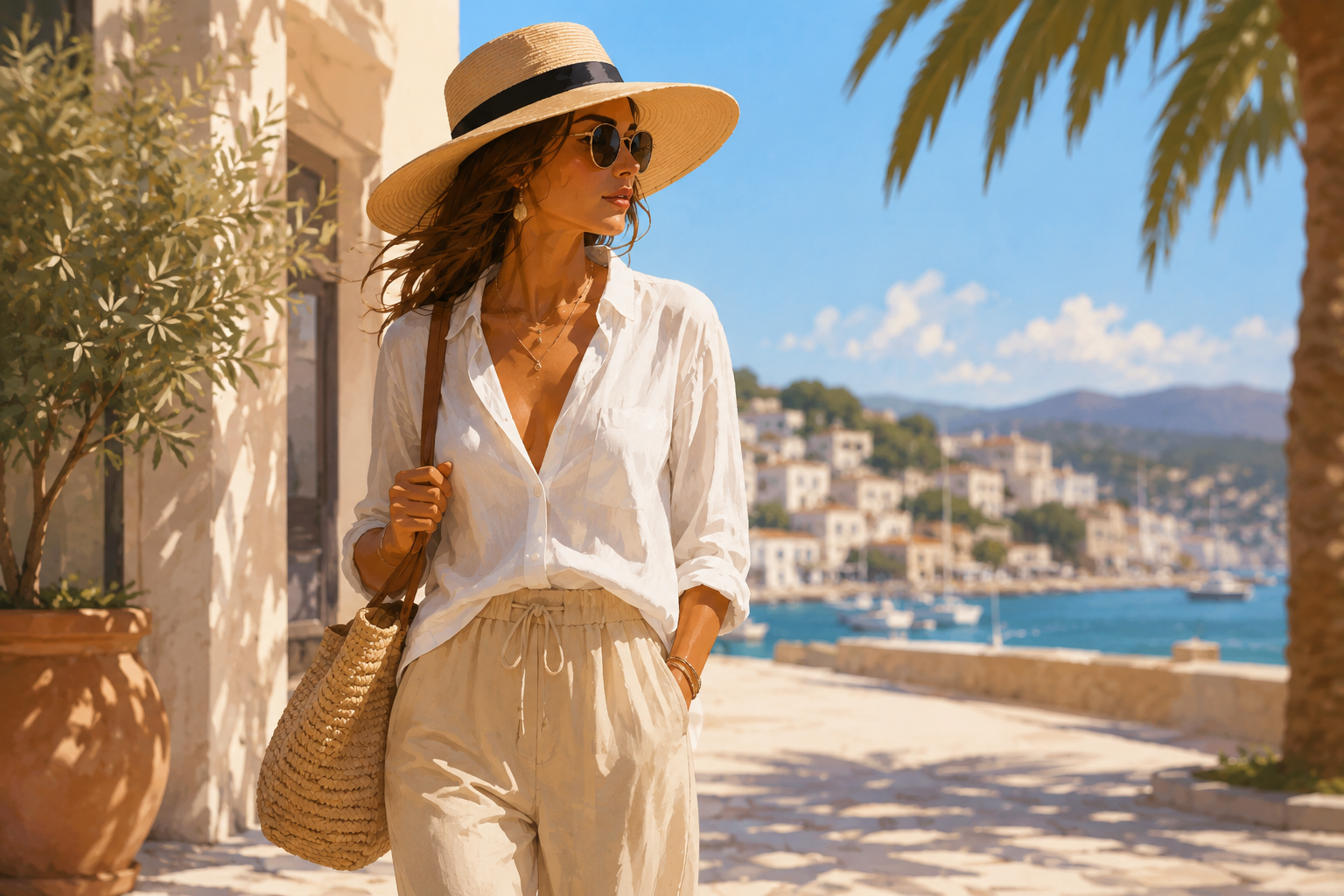
When temperatures climb into the 90s and humidity settles over the sidewalk like a wet blanket, fashion can begin to feel impractical. Carefully layered outfits, structured jackets, heavy denim and elaborate accessories may suddenly seem less important than staying dry and avoiding heat exhaustion.
But dressing for extreme heat does not require abandoning style. It requires changing the definition of what a fashionable outfit looks like.
In hot weather, good style is less about adding more and more about making thoughtful choices. Fabric, fit, color, footwear and accessories all become more important when comfort must come first.
Comfort is part of good style
An outfit that looks polished but leaves the wearer overheated, chafed or visibly uncomfortable is not working.
Fashion should help a person move through the day with confidence. During a heat wave, that may mean choosing a loose linen shirt instead of a fitted blazer, flat sandals instead of boots or a breezy dress instead of heavy trousers.
Clothing does not need to be tight, layered or complicated to look intentional. A simple outfit can appear stylish when the proportions are balanced, the fabrics drape well and the pieces look as though they were chosen rather than grabbed in desperation.
The most fashionable person on a hot day may be the one who looks relaxed while everyone else is tugging at collars and wiping sweat from their foreheads.
Fabric makes the biggest difference
Natural and lightweight fabrics are often the best starting point for hot-weather dressing.
Linen is popular because it allows air to move and dries relatively quickly. Cotton can also be comfortable, especially in loose weaves and lightweight varieties. Chambray offers the look of denim without the same weight, while seersucker sits away from the skin because of its puckered texture.
Some modern performance fabrics are designed to wick moisture and dry quickly. They can work well for commuting, travel and outdoor events, although quality varies. A synthetic shirt that traps heat and odor can feel worse than a natural-fiber alternative.
Shoppers should hold garments up to the light, feel their weight and consider whether the fabric will breathe. Thick polyester, heavy denim and tightly woven materials may become uncomfortable quickly in humid weather.
Wrinkles are also less of a fashion emergency in summer. Linen is expected to crease. Its rumpled appearance can be part of the relaxed seasonal look.
Loose does not have to mean shapeless
Many people respond to heat by choosing oversized clothing, but excessively large garments can look sloppy and may trap heat when fabric bunches around the body.
The goal is ease, not volume for its own sake.
A loose shirt can be paired with tailored shorts. Wide-leg trousers can work with a fitted tank or neatly tucked blouse. A flowing dress can be defined with its neckline, hemline or subtle seaming rather than a tight belt.
Good proportions create visual structure without requiring close-fitting clothing. Rolling sleeves neatly, using a partial tuck or choosing cropped trousers can make an outfit look deliberate.
The body also does not need to be hidden simply because the weather is hot. People should wear the amount of coverage that makes them comfortable, whether that means sleeveless clothing, short hems, lightweight long sleeves or loose full-length trousers.
Color can do much of the work
Hot-weather outfits often rely on fewer pieces, which makes color more noticeable.
A white shirt with khaki shorts can look crisp and classic. A bright dress can function as a complete outfit with minimal styling. Earth tones, faded blues, citrus colors and tropical greens can make simple clothing feel seasonal.
Wearing one color from head to toe can also create a polished effect without layers. A monochromatic outfit in cream, pale blue, olive or another muted shade can look sophisticated while remaining simple.
Light colors may feel cooler in direct sun, but people do not need to avoid black completely. A loose black linen dress may be more comfortable than a tight white synthetic one. Fabric and fit usually matter more than color alone.
Prints can also help disguise sweat, wrinkles and minor spills better than solid pale fabrics.
Accessories should earn their place
Accessories can elevate a simple summer outfit, but they should not become another source of discomfort.
A wide-brimmed hat can provide shade while adding shape and personality. Sunglasses can make even a basic T-shirt and shorts look more finished. Lightweight earrings, woven bracelets, anklets, colorful necklaces and scarves tied around a bag can add interest without adding much heat.
Heavy necklaces, thick leather belts and stacks of metal jewelry may become uncomfortable when skin is damp. Accessories that leave room for air and movement are often better choices.
A good summer bag should also be light. Carrying a large leather tote filled with unnecessary items can make a hot walk feel much longer. Canvas, straw and nylon options may be easier to manage.
The key is editing. One or two distinctive details often look more stylish than a collection of accessories competing for attention.
Footwear sets the tone
Shoes can determine whether a summer outfit feels elegant, sporty or casual.
Leather sandals, woven flats, canvas sneakers and lightweight loafers can all work, depending on the setting. The best choice should provide enough support for the day’s activities while allowing the feet to breathe.
Uncomfortable footwear becomes especially difficult in heat, when feet may swell and straps may rub. Shoes should be tested before long walks, outdoor weddings, festivals or vacations.
Clean, well-maintained sandals often look more polished than fashionable shoes that cause limping. Bare feet may be welcome at beaches, pools and relaxed backyard gatherings, but many public spaces still require shoes for safety and hygiene.
A practical sandal with a simple shape can preserve much of the barefoot feeling while still completing an outfit.
Dress for the real day
Weather forecasts should influence clothing choices as much as the event itself.
An outdoor lunch in 95-degree heat calls for a different outfit than an air-conditioned dinner. Commuters may need breathable clothing outside and a lightweight layer for cold offices. Travelers should consider sun exposure, walking distance and access to shade.
It is also wise to account for sweat. Undershirts, anti-chafing products, washable fabrics and an extra top can prevent discomfort. These are not glamorous details, but they support the final look.
Fashion works best when it responds to real life rather than pretending conditions do not exist.
Hot-weather style is about restraint
Extreme heat strips clothing down to its essentials. That can be creatively useful.
Without coats, scarves and layers, attention shifts to silhouette, texture and small details. A beautifully cut shirt, a strong pair of sandals or a well-chosen color may be enough.
Being fashionable does not stop when it is really hot. It becomes more practical, more edited and often more personal.
The goal is not to suffer for the outfit. It is to look as though the outfit belongs to the weather, the setting and the person wearing it.
========
Elara Wrenford is a lifestyle writer covering personal style, seasonal dressing and practical design. Her work explores how everyday clothing can remain expressive without sacrificing comfort. This article was written, in part, utilizing AI tools.






Comments