Ask the Pediatrician: Poison prevention and treatment tips for parents
Published in Health & Fitness
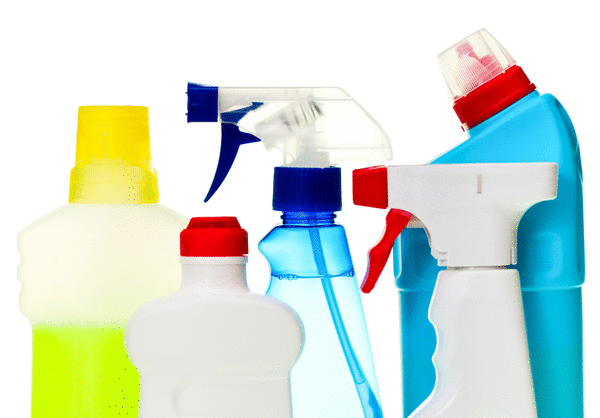
Each year, approximately 3 million people, many under age 5, swallow or come into contact with a poisonous substance. Most poisonings occur at home where even simple household products can be dangerous. These include over-the-counter and prescription medicines, cleaning products, liquid nicotine, antifreeze, windshield wiper fluid, pesticides, furniture polish, gasoline, kerosene and lamp oil. Here are some important ways to help keep children safe.
It is very important to store all medicine, cleaning and laundry products (including detergent packets), paints/varnishes and pesticides in their original packaging in locked cabinets or containers, and out of sight and reach of children. Some items, such as individually packaged laundry and dish detergent, look tempting for small children so consider using traditional liquid or powder laundry detergents instead until all children who live in or visit your home are at least 6 years old.
Safety latches are a great tool to keep curious children out of cabinets where you store chemicals. They automatically lock when you close a cabinet door and can help keep children away from dangerous products. No matter what, the safest place to store poisonous products is somewhere a child can't see or reach.
Remember to keep medications in their original containers and discard once used. Medicine bottles with safety caps are designed to be child-resistant but are not fully child-proof, so you still need to keep medications out of the reach of children.
With the rise of e-cigarettes and vaping devices, children are more frequently exposed to their toxic components. If you use an e-cigarette or vape, keep the liquid nicotine refills locked up out of your children's reach and only buy refills that use child-resistant packaging. A small amount of liquid nicotine spilled on the skin or swallowed can be fatal to a child.
Cannabinoids, especially in the form of edibles, are especially dangerous to children. They often look like familiar candy and chocolate bars that tempt kids. Use a special storage bag with a lock or another item to lock up these items.
Items in your home that can cause poisoning extend beyond medications and cleaning materials. Keep natural gas-powered appliances, furnaces, and coal, wood or kerosene stoves in safe working order. Smoke and carbon monoxide detectors can prevent possible poisoning from natural gas or other fuels.
Even new toys and gadgets like greeting cards and musical children’s books given as gifts may contain button batteries or small pieces that can cause injury if ingested. Be especially vigilant when there is a change in routine. Holidays, visits to and from grandparents’ homes, and other special events may bring greater risk of poisoning if the usual safeguards are defeated or not in place.
If your child is unconscious, not breathing, or having convulsions or seizures due to poison contact or ingestion, call 911 or your local emergency number immediately. To get help from Poison Control, use their online tool or call 1-800-222-1222. Both options are free, expert and confidential.
Different types and methods of poisoning require different, immediate treatment. If the child swallowed the poison, take the item away from the child, and have the child spit out any remaining substance. Do not make your child vomit and do not use ipecac syrup unless directed by a medical professional.
If your child has swallowed a button-cell battery or a battery is lodged in his or her nose, ear or throat, seek treatment in a hospital emergency department immediately. Serious tissue damage can occur in as little as 2 hours.
If their skin or eye come in contact with the poison, remove your child’s clothes and rinse the skin with lukewarm water for at least 15 minutes. Flush your child’s eye by holding the eyelid open and pouring a steady stream of room temperature water into the inner corner for 15 minutes.
If you believe they could have been impacted by poisonous fumes, take your child outside or into fresh air immediately. If your child has stopped breathing, call 911, start cardiopulmonary resuscitation, and do not stop until the child breathes on his or her own, or until someone can take over.
If you are concerned about specific cleaning products, talk with your pediatrician. Your regional Pediatric Environmental Health Specialty Unit (PEHSU) have staff who can also talk with parents about concerns over environmental toxins.
____
Alison Siegel Tothy, MD, FAAP is a board-certified pediatric emergency medicine physician at the University of Chicago. As a past president of the Illinois Chapter of the American Academy of Pediatrics and a spokesperson for the AAP, Dr. Tothy is a nationally recognized advocate for child health and safety. Dr. Tothy is deeply committed to empowering families and communities with the knowledge and tools needed to prevent injuries and foster safe environments for children.
©2026 Tribune Content Agency, LLC.









Comments