You know exercise is good for you – so why is it so hard to put it into practice?
Published in Health & Fitness


Physical activity is one of the most powerful health tools people have to improve mood, energy and sleep, even after just a few sessions.
But the real superpower of an active lifestyle is what it can do for health and quality of life over time. Scientific evidence repeatedly demonstrates that physical activity reduces the risk of developing chronic conditions such as heart disease, diabetes and even some cancers. Despite this, most Americans are not getting enough physical activity in their daily lives.
So why are so few people physically active when the benefits are widely known?
As a physical therapist and rehabilitation scientist who studies how to boost movement for people living with chronic conditions and physical disabilities, I spend a lot of time thinking about that question.
The short answer is that understanding the importance of exercise usually doesn’t translate into exercising. Making it a part of your lifestyle requires believing you can do it and knowing you can do it.
Exercise is a lifestyle choice that helps reduce the likelihood of developing a chronic illness. But the good news is that if you’re one of the 194 million Americans already living with one or more chronic illnesses, beginning or maintaining an exercise routine can slow the progression, reduce symptoms and improve health outcomes.
The list of benefits from movement is long. Here are just a few examples:
Physical activity improves the heart’s efficiency to move blood to the lungs and circulate it throughout the entire body.
Engaging in physical activity protects against cognitive decline over time.
Becoming more active contributes to improved insulin resistance, which protects against diabetes risk and helps manage diabetes symptoms.
An active lifestyle can reduce cancer risk and improve outcomes for various cancer types, including breast, colorectal and prostate cancer.
While some movement is better than none, the Centers for Disease Control and Prevention offer research-based guidelines for the type and frequency of activities to engage in weekly for long-term health benefits.
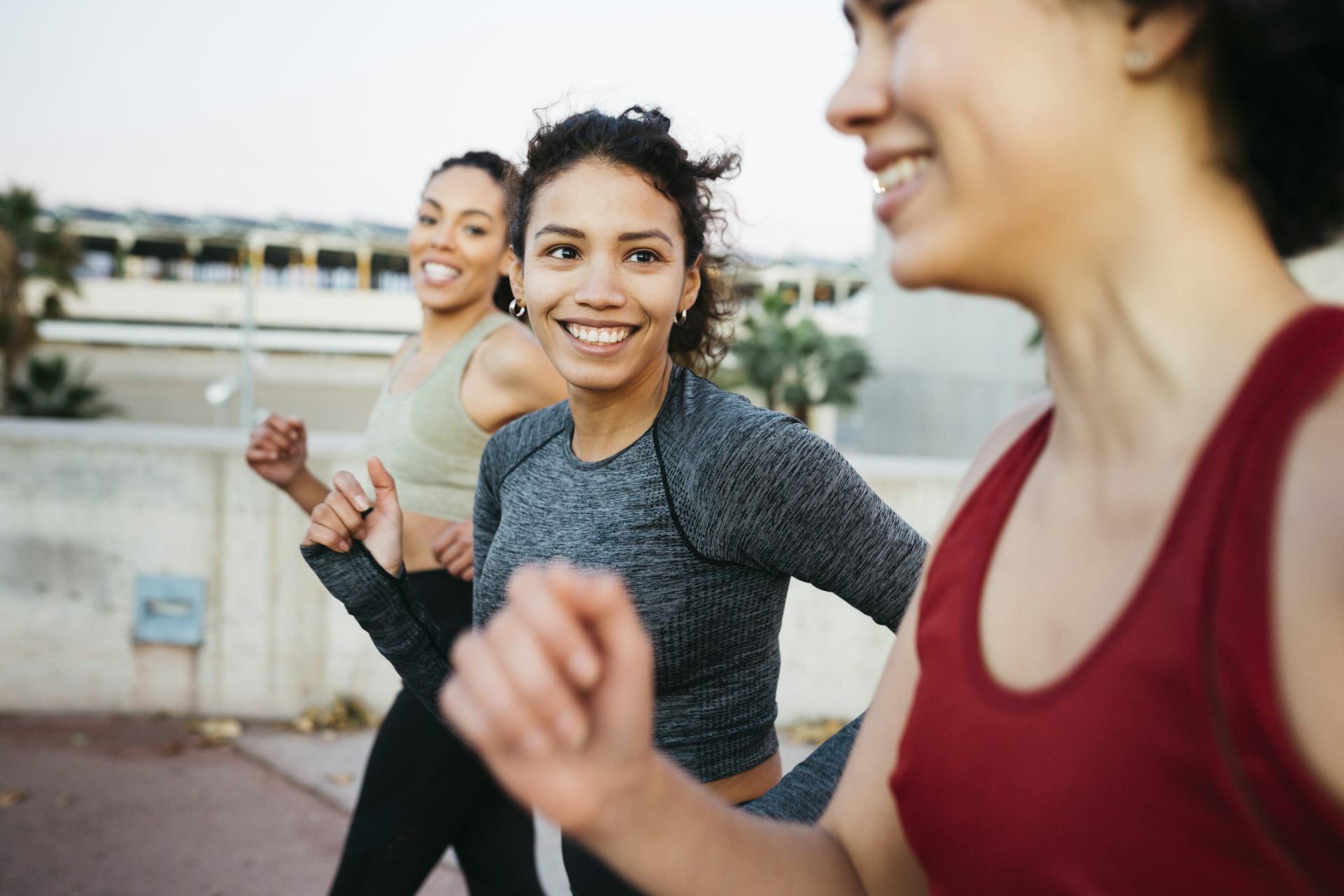
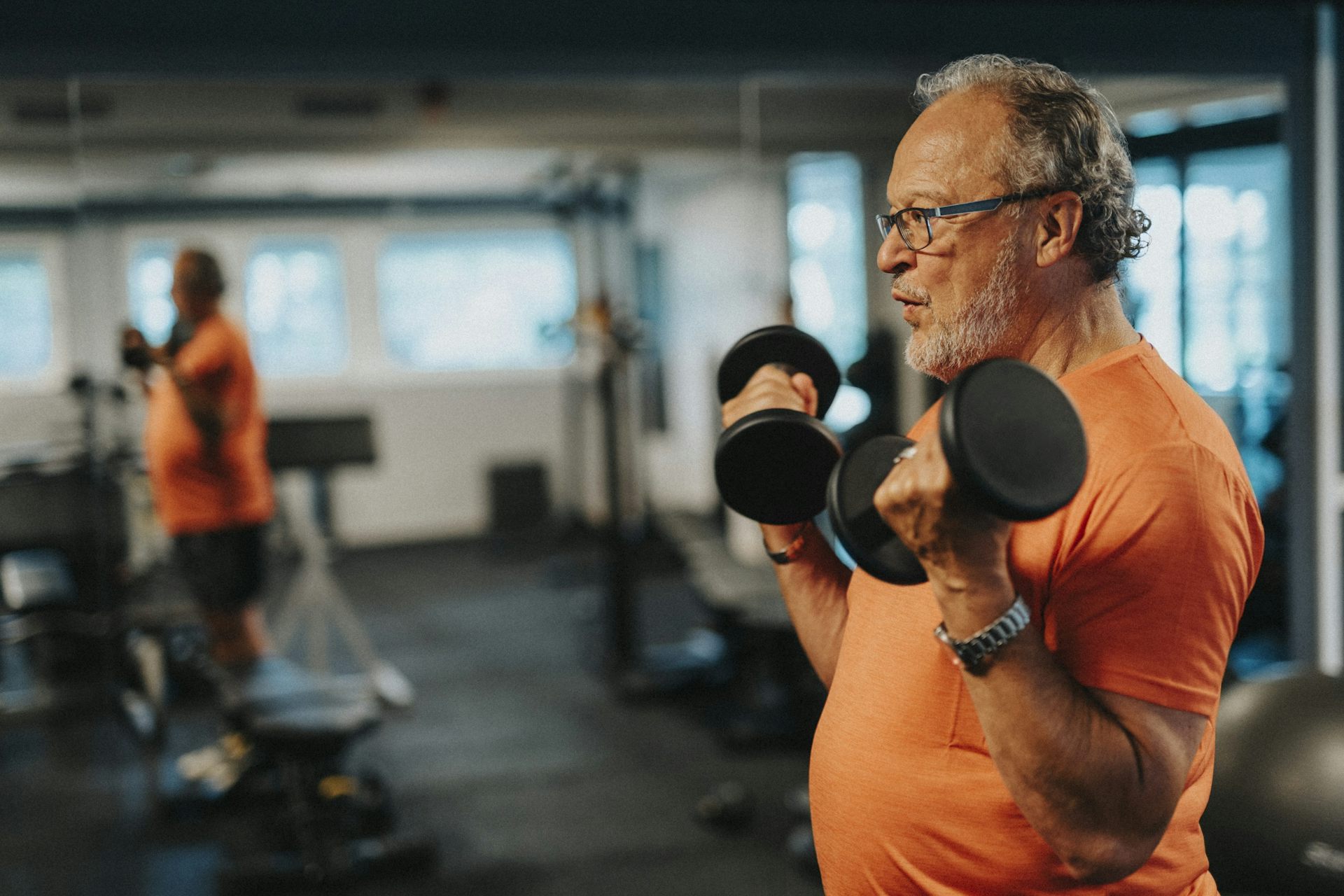
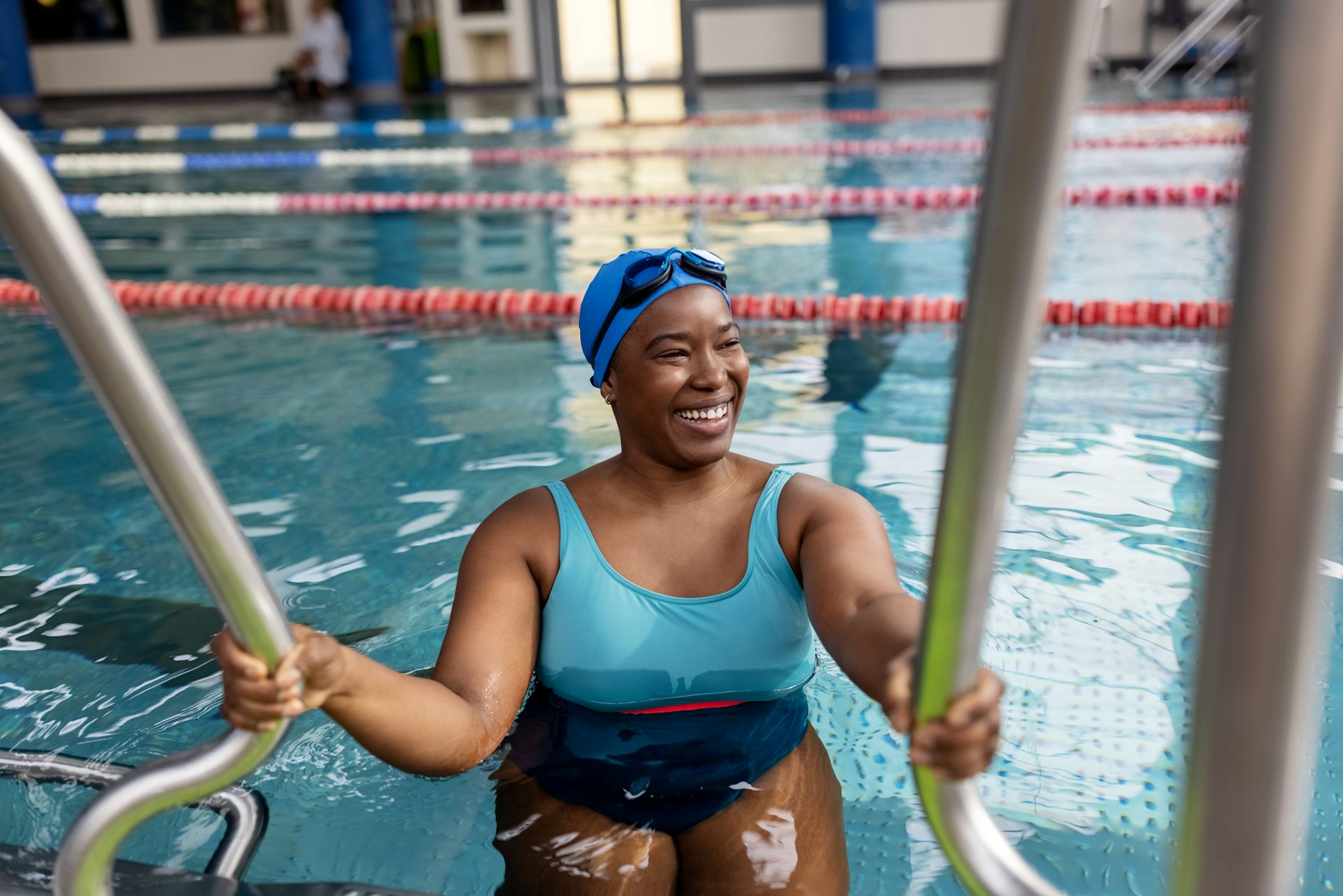
The CDC encourages all adults, including those with chronic health conditions or disabilities, to aim for at least 150 minutes of moderate intensity aerobic activity, such as walking, jogging or swimming. Adults should also do muscle-strengthening activities two or more days per week, which could include weightlifting and body weight exercises.
Older adults should add balance activities, such as tai chi or yoga, to help prevent falls by challenging the body’s balance systems.
If you’re not achieving these recommended weekly physical activity guidelines, you’re not alone. Only half of Americans hit the aerobic target, and just 1 in 4 meet the full CDC guidelines.
This gap represents a health crisis that, if addressed, could save lives. A 2024 large-scale review showed that people who engage in regular physical activity in adulthood may reduce the risk of early death by 30% to 40% from all causes, most specifically from cardiovascular disease and cancer.
The study also showed that beginning exercise at any time in adulthood can improve survival benefits.
People are perpetually being sold on the benefits of physical activity, whether it’s from national healthcare organizations, their medical teams or social media influencers.
But research is clear that education alone does not predict changes in behavior.
Instead, shifting your beliefs about the barriers preventing you from exercise might actually be the key to get you moving more.
In 1977, a psychologist named Albert Bandura proposed that the ability to perform a task even when it’s difficult – a concept called self-efficacy – is the most important personal characteristic that drives healthy changes in behavior.
Half a century later, self-efficacy is still considered one of the most crucial personal factors for behavioral change when it comes to long-term physical activity. Researchers who develop and test exercise interventions, including me, evaluate novel tools and programs that are built to boost self-efficacy.
Someone with high self-efficacy might say that they can get back to their exercise routine even if they miss a day. Or they might find a way to still exercise when they’re busy or tired. Someone with lower self-efficacy might be thrown off their routine if presented with the same obstacles.
But how do you build this crucial trait and get moving more? A meta-analysis found that despite its importance, there is not one magic way to boost self-efficacy.
That’s because people’s behavior is more complicated than individual factors alone. People and groups have varying needs and contexts that require tailored approaches.
Self-efficacy may be affected by multiple factors, but people can still apply techniques to boost their ability to start and stay with an exercise routine.
Make it manageable. It may seem intuitive to set personal goals, but many of us aim too high and end up discouraged. Goals focused on weight loss, heart health or muscle strength are fine, but they can take a long time to achieve. Long-range goals don’t tend to be motivating in the difficult moments – like when you want to hit snooze but promised yourself that you were going to take a long walk before work.
Instead, try short-term goal-setting – such as aiming to get a set number of lunchtime walks in during the workweek. This will move you toward your long-term goals, while making it easier to see and feel progress.
In 2026, the American College of Sports Medicine refreshed its guidance on strength training, which represents synthesized findings from 137 systematic reviews and the first update since 2009. The biggest recommendation difference? Consistency matters more than specificity of strength programs. What that means is that doing any strength training has health benefits as long as it is the kind you will keep doing.
Make it add up. The CDC’s recommended 150 minutes of aerobic activity is meant to be spread throughout the week – not done all at once. Research shows that small bursts of activity still have significant impacts on your overall health, and you’re much more likely to stick with them.
Only have 15 minutes while your kid is asleep? Have a short exercise video or app cued up for nap time. Waiting for your next Zoom meeting to start? Climb your stairs once or twice. Microwaving your lunch? Hold on to the counter and lift and lower your heels until the timer goes off. Every little bit matters to your mind and body.
Make it meaningful. Prioritize doing things you enjoy. The gym is not for everyone, and luckily this style of structured exercise is just one of many options for physical activity. Go bird-watching, join a gardening group, binge watch your favorite show on the treadmill. Any activity you do that uses energy is like dropping a coin into your weekly physical activity bank.
Make it more fun. Choose to be around people who are already exercising – and who encourage you to do it, too. Research shows that people who are sedentary will increase their physical activity by socializing with someone who is active.
Another study shows that older adults can tap into the energy of their peers during group exercise, helping to build self-efficacy. Exercising with others can even reduce social isolation and loneliness. As a bonus, choosing physical activities you enjoy can improve your mood and boost your confidence.
These strategies come with a very important caveat: Increasing self-efficacy is empowering, but context also matters.
Some structural barriers to physical activity are beyond the scope of our individual motivation. Researchers and health professionals know that lower socioeconomic status, decreased neighborhood safety and lack of access to exercise programs make being and staying active even more difficult.
But the thing to remember is that even small improvements can have big impacts. It is consistent practice – not perfection – that is key to reaping all the benefits physical activity has to offer.
This article is republished from The Conversation, a nonprofit, independent news organization bringing you facts and trustworthy analysis to help you make sense of our complex world. It was written by: Laura Baehr, Drexel University
Read more:
The ‘runner’s high’ may result from molecules called cannabinoids – the body’s own version of THC and CBD
As wrestling fans reel from the sudden death of Hulk Hogan, a cardiologist explains how to live long and healthy − and avoid chronic disease
Aerobic and strength training exercise combined can be an elixir for better brain health in your 80s and 90s, new study finds
Laura Baehr receives funding from the Department of Defense, the Arthritis Foundation, and the Clinician-Scientists Transdisciplinary Aging Research Coordinating Center (a National Institutes of Health National Institute on Aging funded center).









Comments