Colorado has high levels of radon, which can cause lung cancer – here’s how to lower your risk
Published in Health & Fitness
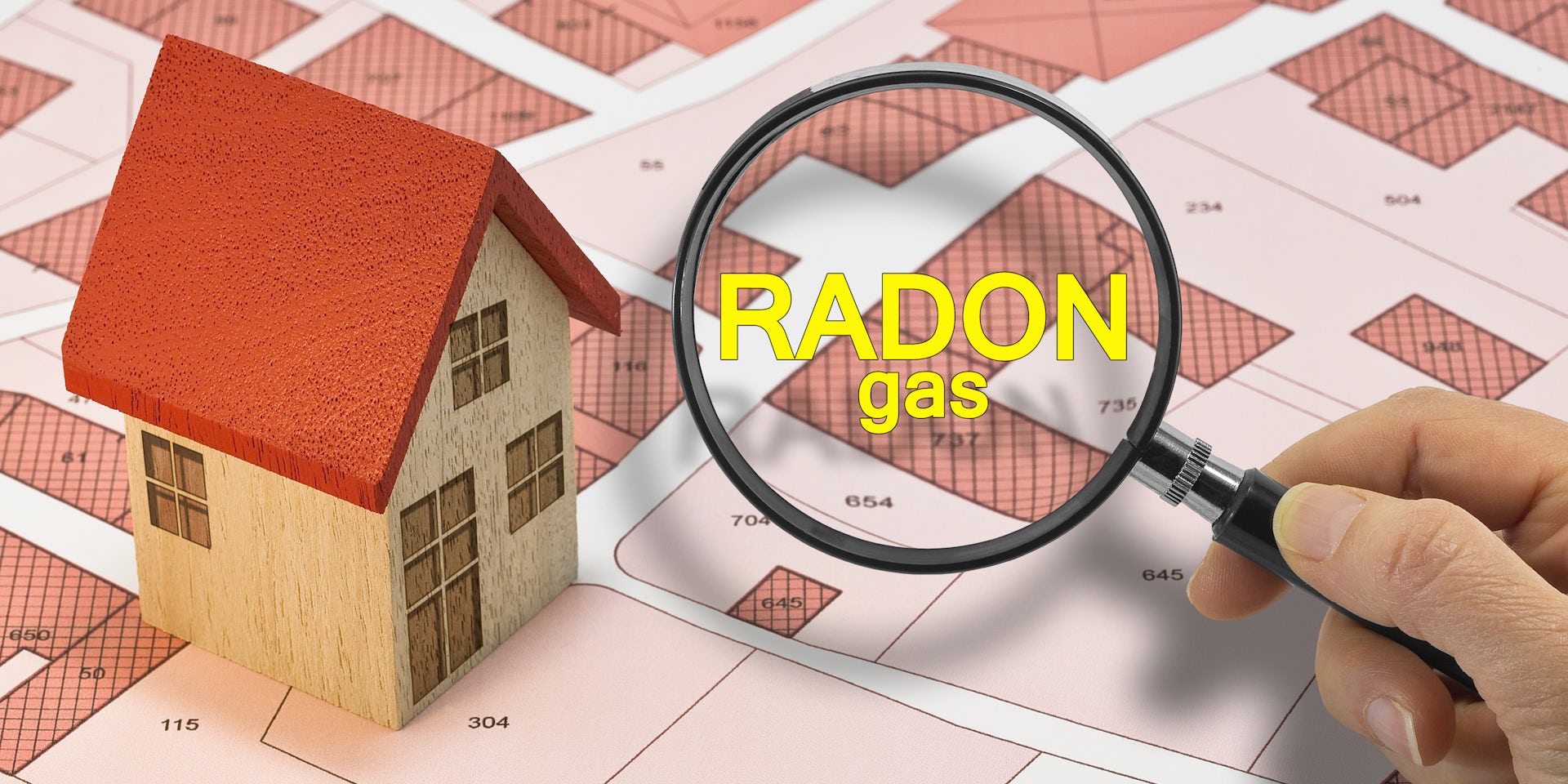
In Colorado, as of 2025, about 500 people a year die from lung cancer as the result of radon gas exposure. Nationally, the number of lung cancer deaths attributed to radon is about 21,000 per year.
Radon is present nearly everywhere outdoors, yet typically at levels that are not harmful. It becomes dangerous when it gets trapped and accumulates inside homes, schools and other buildings.
Radon is a naturally occurring radioactive gas that is produced by the breakdown of uranium, a heavy metal present in the soil. People cannot smell it or see it, which makes radon particularly dangerous. When radon gas forms in the soil, it rises and finds its way into homes old and new through cracked foundations, gaps around sump pumps and drains, and crawl spaces.
Many people are unaware of the radon levels in their home. In Colorado, it is estimated that only 50% of homes have been tested. Thus, many Coloradans may be exposed to elevated radon levels and not know it.
Though tobacco use is the most significant risk factor for lung cancer, accounting for approximately 86% of all lung cancer cases, radon is the leading cause of lung cancer among people who have never used tobacco. Radon also has a compounding effect with tobacco that further increases lung cancer risk among tobacco users. About 7 in 1,000 nontobacco users with prolonged exposure to elevated radon levels may develop lung cancer in their lifetime.
Exposure to radon is preventable. As a cancer epidemiologist, I aim to help all Colorado residents be aware of their home’s radon level and take appropriate actions to mitigate exposure and reduce their and their family’s risk of lung cancer.
Because of Colorado’s unique geology, including mountainous regions that consist heavily of granite rock that contains uranium, radon levels are higher in Colorado than in other states.
Colorado is among the top 10 states with the highest radon levels across the country. About 50% of Colorado homes tested for radon have levels higher than the recommended threshold set by the Environmental Protection Agency, which is 4 picocuries per liter (pCi/L). The average level of radon in Colorado homes is 6.4 pCi/L, which is equivalent to having 200 chest X-rays each year. Radon levels differ across the 64 counties in Colorado based on their geography and makeup of the soil.
If a home is not adequately vented, radon can build up indoors. When radon decays, it releases radioactive particles that, once inhaled, can damage lung cells. More specifically, these particles can break chemical bonds in the cell’s DNA that, if not repaired, can lead to cancer. Prolonged exposure to high levels of radon, over several years, can cause lung cancer. Similar to tobacco use, it is the cumulative exposure to radon that increases risk for cancer.
Fortunately, there are ways to prevent radon from entering and accumulating inside our homes. Radon mitigation systems use fans and pipes to pull radon gas from below the foundation of the home and vent it outside. These systems can reduce radon levels inside the home by up to 99%.
Testing your home for radon is simple and relatively inexpensive. Test kits are placed in the lowest living area of your house, apartment, condominium or townhome and left for a period of time. The EPA recommends testing for all residential units below the third floor.
There are short-term tests, which take from two to 90 days, and long-term tests, which take 90 days or more. Long-term tests are more accurate for estimating annual average radon levels. Once complete, tests can be mailed directly to a lab for processing.
Test kits typically cost less than US$50 or may be obtained for free from many sources, including the University of Colorado Anschutz Cancer Center. As of February 2026, the cancer center has distributed more than 1,600 test kits to people in 55 Colorado counties. Nearly 40% of the tests distributed thus far show radon levels above the EPA threshold.
The EPA recommends testing over multiple months, including colder months when windows and doors to the outside are typically closed and radon can become trapped indoors. Testing over several months provides a better understanding of the average annual radon level in the home.
People with radon levels in their home that are at or above 4 pCi/L are recommended to seek mitigation measures. This may involve sealing cracks in basement walls and foundations and installing a fan and vent pipe to pull radon gas from underneath the home and vent it outside. Mitigation can cost between $1,000 and $3,000 depending on home structure and location.
There are resources available for people who need radon mitigation and can’t afford it. Colorado’s state health department has a low-income radon mitigation assistance program that can pay for radon mitigation for people who are eligible based on income requirements.
Radon may be invisible, but its impact on human health is unmistakably real – and largely preventable. By taking action today – testing your home, sharing this knowledge and seeking help when needed – you are investing in a healthier future for yourself and your community.
This article is republished from The Conversation, a nonprofit, independent news organization bringing you facts and trustworthy analysis to help you make sense of our complex world. It was written by: Jan Lowery, University of Colorado Anschutz Medical Campus
Read more:
Have you tested your home for cancer-causing radon gas?
Small increases in radon track natural gas development with fracking in Pennsylvania
Fixing indoor air pollution problems that are raising Native Americans’ COVID-19 risk
Jan Lowery does not work for, consult, own shares in or receive funding from any company or organization that would benefit from this article, and has disclosed no relevant affiliations beyond their academic appointment.









Comments