Gov. JB Pritzker keeps Illinois out of Trump's federal school scholarship tax credit, citing threat to public schools
Published in News & Features
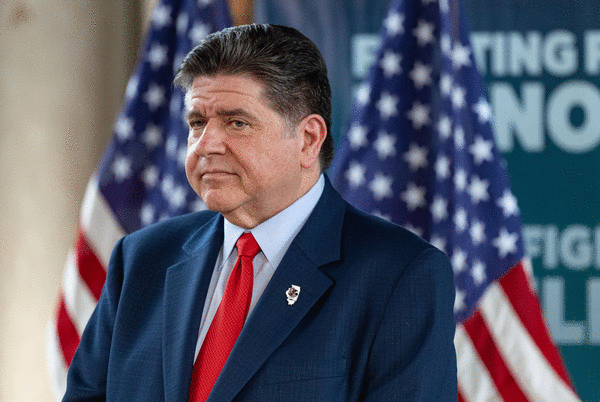
CHICAGO — Describing it as a program that siphons money from public education, Gov. JB Pritzker said Tuesday that Illinois will not participate in a new federal tax credit program for donations to support K-12 students attending public and private schools.
The Federal Scholarship Tax Credit was part of the sweeping tax-and-spending-cut law, known as the One Big Beautiful Bill Act, that President Donald Trump signed last year. Illinois Democrats have roundly criticized it for cutting Medicaid, food assistance and other safety-net programs. Fresh off winning a third term earlier this month, Pritzker has made opposition to the Republican president’s policies a key part of his political identity as he now mulls a potential 2028 presidential bid.
Starting in January, the tax-credit program will let taxpayers claim credits of up to $1,700 for donations to scholarship-granting organizations in states that opt in. The groups can pay for tuition, tutoring and supplies for students in public and private schools within their states.
“We should not siphon money from public schools for private education — especially as the Trump Administration’s policies decimate education,” Pritzker said in a statement.
“We have a responsibility to do right by all of our students,” he said. “Taxpayer funding should not subsidize donations to private schools that could discriminate based on religion, sexual orientation, or other characteristics.”
More than 30 states have opted in so far, most of them led by Republican governors, according to the Internal Revenue Service. For months, Pritzker has said he wanted to wait to decide whether to opt in or out until the federal government imposed rules on the program and the state could see how much public schools would benefit.
On Tuesday, Pritzker contended federal regulations bar states from setting strict guidelines and standards for the groups distributing the scholarships and that states are not given any discretionary power after opting into the program. As a result, he argued, the money will likely primarily subsidize donations to groups supporting children enrolled in private schools without appropriate oversight, “while public education needs remain unmet.”
“By officially opting in for this program,” Pritzker said, “Illinois is given no certainty of resources for the 1.8 million Illinois students that attend public schools.”
Pritzker also said the program would cost between nearly $3 billion and a little more than $6 billion in federal revenue annually. He said that money should instead go “to improve reading and math scores in public schools.” He argued the program is unlikely to help “vulnerable student populations” and would instead benefit “well-resourced households.”
“The scholarship eligibility margin — including students from households that earn within three times of the area’s median income – means that the primary benefactors of this program will not include children from under-resourced households,” Pritzker said. “This is not free money; this is forgone federal revenue being redirected, in many cases, to families to fund the private education they’ve already chosen and tuition bills they’re already paying.”
Pritzker’s decision came as teachers’ unions have been prodding the governor and legislative Democrats to set aside $150 million in extra funds for the Chicago Public Schools, which has warned of resource cutbacks if the state doesn’t come through. Meanwhile, two of the more vocal unions, the Illinois Federation of Teachers and the Chicago Teachers Union, praised Pritzker’s announcement on Tuesday.
“Public dollars belong in public schools,” Stacy Davis Gates, who heads both IFT and CTU, said in a statement. “Trump’s voucher scheme was built to pull money out of public education with zero oversight and zero educational benefit for students.”
But some Democrats — including Illinois Comptroller Susana Mendoza, who is running for Chicago mayor — had pushed Pritzker to set aside politics and embrace the tax credit, even though it was a Trump initiative.
In March, the Tribune reported a text message exchange between Pritzker and Mendoza in which Mendoza signaled her support for the program and the governor warned the tax incentives could support schools that “teach values that are racist or antisemitic or Anti-American,” along with other hateful rhetoric.
Illinois once had its own state-level tax credit scholarship program for low- and moderate-income families who wanted to send their kids to private schools. Lawmakers let the state’s Invest in Kids program, signed in 2017 by then-Republican Gov. Bruce Rauner, expire at the end of 2023, after Democrats split over whether it diverted resources from public schools.
Illinois House Republican leader Tony McCombie of Savanna criticized Pritzker’s move on Tuesday.
“Governor Pritzker calls this a win for public education. Try telling that to an Illinois parent who can’t afford to pay for their child’s tutoring,” McCombie said in a statement. “We can strengthen our public schools and give families more options. Governor Pritzker turned that opportunity into a fight with Washington, and Illinois students are paying the price. He should reverse his decision and opt Illinois in.”
_____
©2026 Chicago Tribune. Visit chicagotribune.com. Distributed by Tribune Content Agency, LLC.





Comments