Something's killing Canadian geese in SC. Here's what's you should know
Published in News & Features
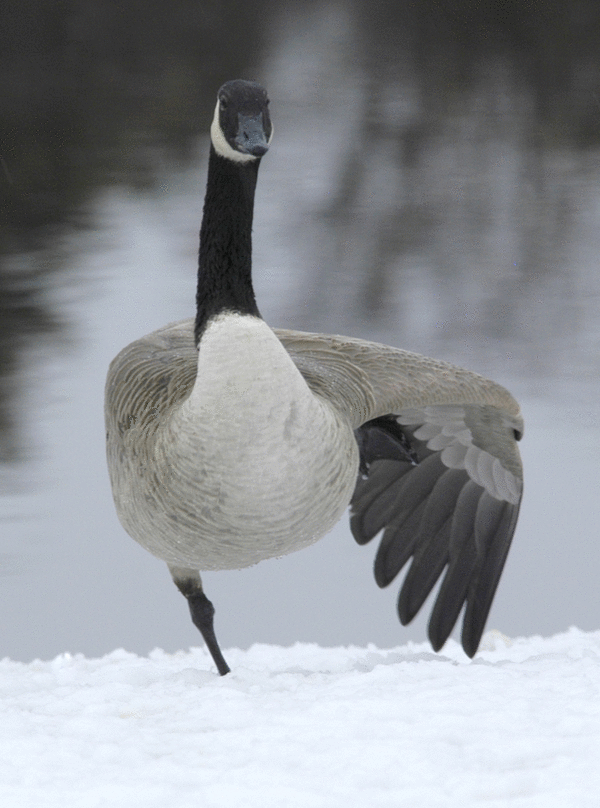
The deaths of Canadian geese in South Carolina has prompted an investigation, but people are not suspected as killers. Rather, avian influenza — or bird flu — is suspected, according to the South Carolina Department of Natural Resources.
That suspicion has prompted an investigation, South Carolina DNR said Thursday in a news release.
What we know
South Carolina DNR noted there has been a die-off involving Canada geese in the Charleston and Mount Pleasant area. While bird flu is suspected, officials are looking to confirm that theory and are hoping an examination of a specimen recently submitted for testing will provide the answer.
Bird flu occurs naturally in wild bird populations across North America, according to the release. With seasonal bird migration underway, cases of bird flu can increase and the virus can circulate among wild birds, South Carolina DNR said.
Information about the approximate number of Canadian geese found dead in South Carolina’s Lowcountry was not available. Significant amounts of Canadian geese deaths have not been reported in other parts of the Palmetto State.
Canadian geese are found throughout the state with the largest numbers in the Upper Coastal Plain, Piedmont and Foothills areas, according to South Carolina DNR. The current population estimate for resident geese is in excess of 50,000, South Carolina DNR said.
South Carolina DNR said it will continue to monitor the situation as additional information becomes available.
Checkered past between humans and geese
Canadian geese haven’t had the best history with people.
“The temperament and visibility of resident Canada geese afford people a close look at one of nature’s creatures. Conversely, resident Canada geese also create many problems,” South Carolina DNR says on its website. “As both human and resident Canada goose populations have increased in South Carolina, conflicts have increased. Most people tolerate Canada geese; however, as densities increase problems proportionally follow.”
Some of the problems attributed to the geese includes overgrazing lawns, destroying gardens and crops, shedding large accumulations of feathers as well as leaving behind large amounts of feces, according to South Carolina DNR.
When geese congregate at water treatment facilities and swimming areas it can cause health problems.
Geese and people in close quarters can test each species temperaments, as geese often set up nests in areas unwanted by humans. But destruction of those, and killing the animals is illegal, save for permitted hunting seasons. This year’s hunting season began in September and includes brief windows in November, December along with dates in January, February and March 2027.
Each violation is punishable by 30 days in jail and a $200 fine, according to South Carolina law.
Outside those strictly enforced hunting seasons, Canada geese are protected by the Migratory Bird Treaty Act of 1918 and various other state and federal laws, South Carolina DNR said.
What you should know
South Carolina DNR encourages the public to avoid handling sick or dead wild birds and to keep pets away from affected birds.
Bird flu poses potential health risks to humans. Most recently reported cases have been mild, but severe reactions can cause death. According to the CDC, the signs and symptoms of bird flu in humans includes:
• People who were exposed to sick or infected animals
• Eye redness is the predominant symptom
• Respiratory symptoms and fever (above 100 degrees) are also signs
• Cough
• Sore throat
• Runny or stuffy nose
• Muscle or body aches
• Headaches
• Fatigue
Shortness of breath or difficulty breathing, altered consciousness and seizures are signs of more advanced cases of bird flu, according to the CDC.
Additionally, the CDC says that complications of bird flu can include:
• Pneumonia
• Respiratory failure
• Acute respiratory distress syndrome
• Acute kidney injury
• Multi-organ failure (respiratory and kidney failure)
• Sepsis, septic shock
• Inflammation of the brain (meningoencephalitis)
For information about bird flu detections in animals, visit the U.S. Department of Agriculture’s Animal and Plant Health Inspection Service.
©2026 The State. Visit at thestate.com. Distributed by Tribune Content Agency, LLC.






Comments