Religious preschools want public funding, but exemptions from nondiscrimination rules – the Supreme Court will decide if that’s constitutional
Published in News & Features


When Colorado launched its Universal Preschool Program in 2023, the goal was simple: Give every 4-year-old in the state access to free, publicly funded education. To deliver on that promise, the state allowed both public and private providers – including faith-based preschools – to participate, provided they abide by the program’s rules.
Those include a requirement not to discriminate against students or families based on sexual orientation or gender identity – which quickly triggered a legal battle.
Catholic preschool providers and the parents of a preschool-age child challenged the requirement in court, arguing that forcing them to sign the agreement unconstitutionally burdened their faith. They allege that because their religious beliefs teach that marriage is strictly between a man and a woman, complying with state antidiscrimination rules would force them to compromise their religious values.
As professors of education law, we see this case as the latest chapter in a struggle over how to balance civil rights protections with the rights of religious organizations. St. Mary Catholic Parish v. Roy is also part of a broader constitutional debate over when and under what conditions religious schools may receive public support.
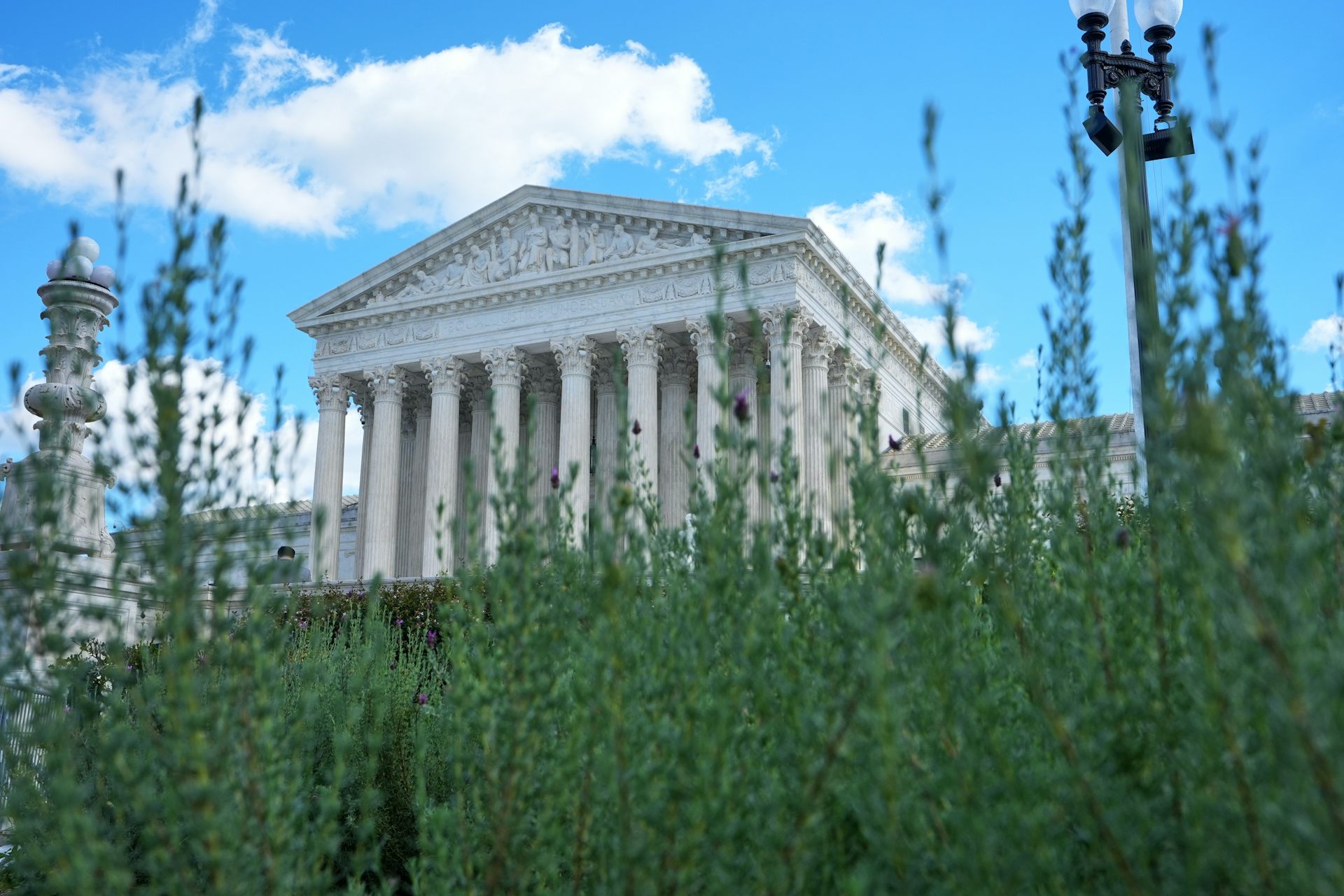
The U.S. Supreme Court will hear oral arguments on Nov. 3, 2026. Justices will be poised to decide a fundamental constitutional question: When state governments extend taxpayer dollars to private institutions, particularly religious ones, can they require those institutions to follow basic antidiscrimination rules?
The lower courts largely sided with Colorado. Both a federal district court and the 10th Circuit Court of Appeals ruled that the state was not targeting or punishing Catholic preschools because of their faith.
Instead, the courts concluded that Colorado had set a neutral, generally applicable rule for everyone receiving public funds: If you take taxpayer dollars to run a preschool, you cannot turn families away based on who they are. Specifically, the state required participating schools to not exclude LGBTQ+ students, families or staff because of their sexual orientation or gender identity.
The Catholic preschools’ argument had relied heavily on a series of Supreme Court decisions, starting in 2017, that involved religious schools and public funding – and shifted the wall between church and state in education. In Trinity Lutheran v. Comer, Espinoza v. Montana and Carson v. Makin, the court ruled that states cannot flatly disqualify religious schools from public grants or tuition assistance programs simply because of their religious character or religious instruction.
The 10th Circuit, however, carefully distinguished Colorado’s program from the ones in those landmark rulings. Colorado does not bar religious schools from participating; faith-based providers are welcome to apply for funding if they follow the same rules that apply to other participating preschools.
The St. Mary case places two foundational principles of religious freedom law directly at odds.
The First Amendment contains two religion clauses. One forbids the government from making laws that establish religion; the other forbids laws that prohibit its “free exercise.”
Since the 1990 decision in Employment Division v. Smith, the Supreme Court has followed a straightforward rule: Neutral laws that apply to everyone do not violate the free exercise clause just because they conflict with someone’s religious beliefs. Under this view, Colorado’s nondiscrimination rule is constitutional because it applies to secular and religious preschools alike.
Over the past decade, however, the court’s conservative majority has expanded protections for religious institutions. Rulings like Fulton v. City of Philadelphia have held that neutral rules lose their neutrality if the government creates exceptions based on secular interest while denying them for religious reasons.
In the St. Mary case, the core legal argument hinges on this precise issue. Colorado’s program allows some exemptions to its requirements; for example, preschools in churches may give admissions preference to members of their congregation. The Catholic preschools argue that if the state can make those kinds of exceptions, it is discriminatory not to accommodate exemptions based on religious beliefs.
The Supreme Court must decide whether Colorado’s requirement that participating preschools comply with nondiscrimination rules is simply a neutral condition on receiving state funding, or an unconstitutional burden on religious exercise.
While St. Mary Catholic Parish v. Roy focuses specifically on sexual orientation and gender identity in preschool admissions, the Supreme Court’s ruling will likely have far-reaching consequences for all public funding.
For example, if the court rules that religious organizations have a constitutional right to opt out of state antidiscrimination rules while receiving public funds, that principle may not stop at LGBTQ+ rights.
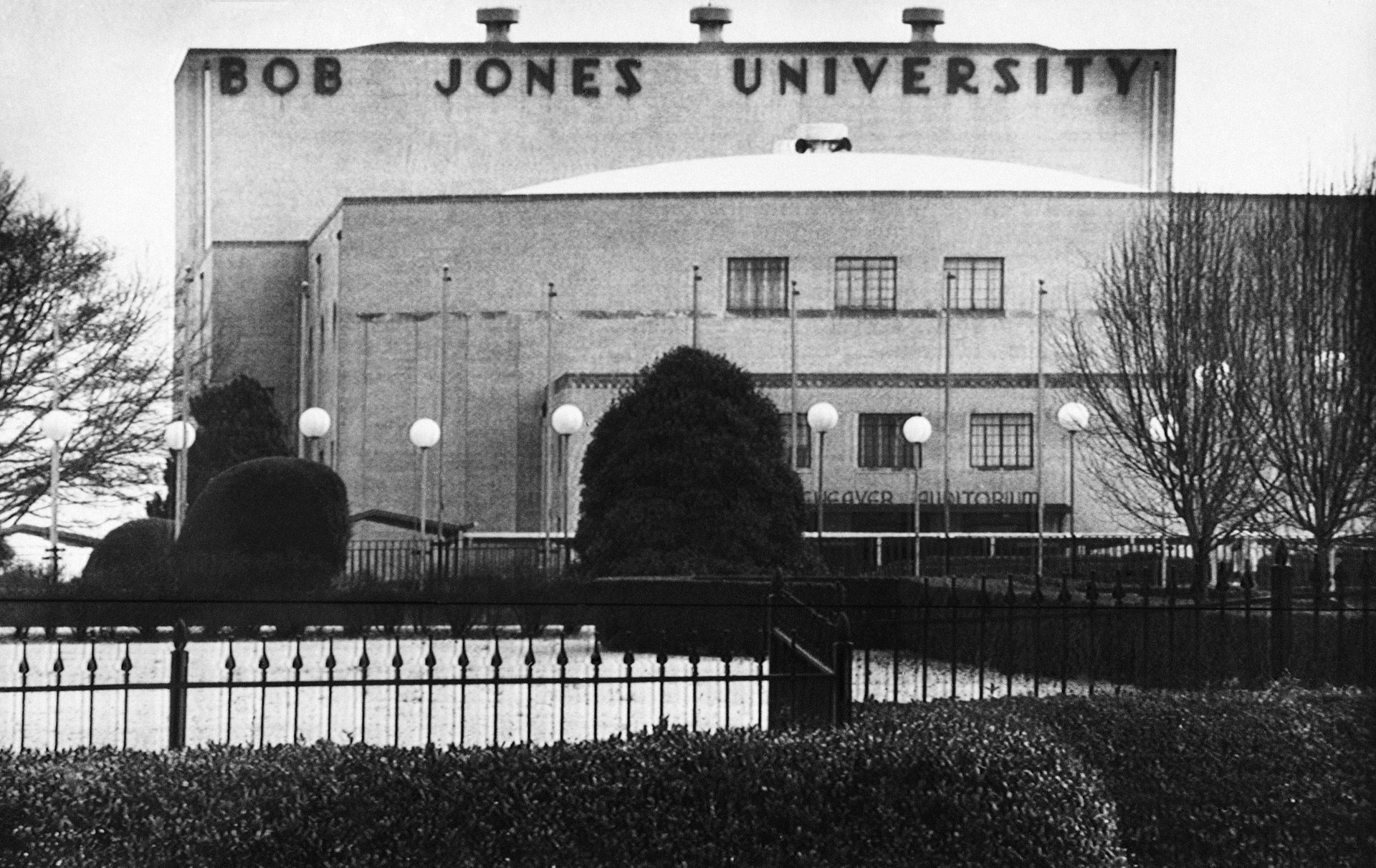
The Supreme Court addressed one such conflict in a case decided in 1983, Bob Jones University v. U.S.. The case combined challenges from two fundamentalist Christian schools that lost their tax-exempt status because of racially discriminatory admissions policies. The schools argued that their discrimination was rooted in their faith, and so they should receive an exemption, but the court rejected their petition 8-1.
As today’s Supreme Court has expanded eligibility for religious schools and their students to receive taxpayer money, some legal scholars have questioned whether religious exemptions could eventually challenge prohibitions against sex and, once again, race discrimination. More broadly, expanding religious-liberty projections may increasingly come into tension with governmental efforts to enforce civil rights protections.
These questions are especially significant in the emerging litigation over whether charter schools can be religious. Charter schools are funded by taxpayers and authorized by states, but courts remain divided over whether they should be treated as public schools or private organizations.
Critics argue that religious charter schools would violate the establishment clause because charter schools are public in all but name. Supporters counter that charter operators are private, and that excluding faith-based schools from charter programs violates the free exercise clause. That debate was reignited in September 2026, when a federal judge ruled that Oklahoma could not reject a Jewish organization’s charter proposal solely based on its religious status.
If the Supreme Court rules in favor of St. Mary, and courts ultimately decide that religious charter schools are constitutional, religious operators could argue that states cannot condition public funding on compliance with nondiscrimination requirements that conflict with their faith.
A decision in St. Mary Catholic Parish v. Roy is expected by late spring 2027, and it will likely echo for years to come. Whatever the justices decide, we believe the St. Mary case will shape how states design publicly funded programs that rely on private religious providers, from universal pre-K and foster care agencies to homeless shelters. In the end, the ruling could also determine how far those providers can go in rejecting nondiscrimination rules.
This article is republished from The Conversation, a nonprofit, independent news organization bringing you facts and trustworthy analysis to help you make sense of our complex world. It was written by: Suzanne Eckes, University of Wisconsin-Madison and Preston Green III, University of Connecticut
Read more:
Are religious charter schools constitutional? After deadlocked SCOTUS decision, another Oklahoma case is trying to find out
Baptists have helped shape debate about religious freedom for over 400 years – up to today’s 10 Commandments laws
Political parties can now spend unlimited money supporting candidates, after Supreme Court overturns decades of precedent
The authors do not work for, consult, own shares in or receive funding from any company or organization that would benefit from this article, and have disclosed no relevant affiliations beyond their academic appointment.



Comments