Lawsuit claims government isn't doing enough to protect Florida's Queen Conch
Published in News & Features
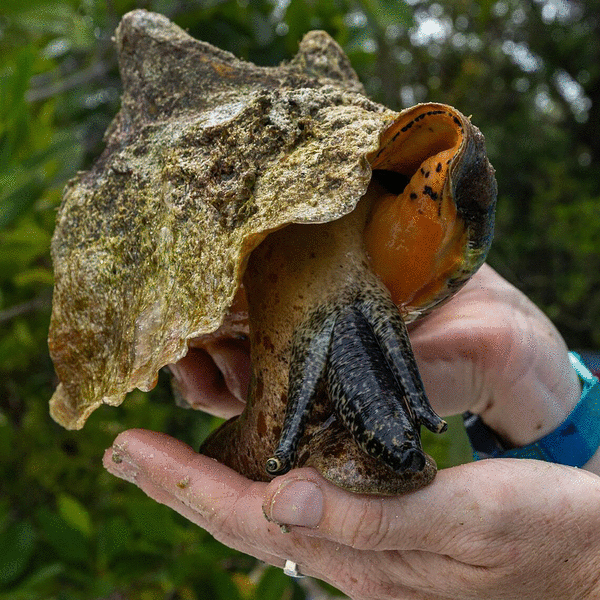
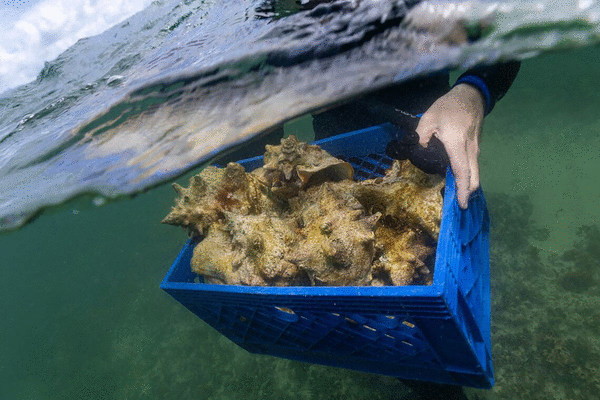
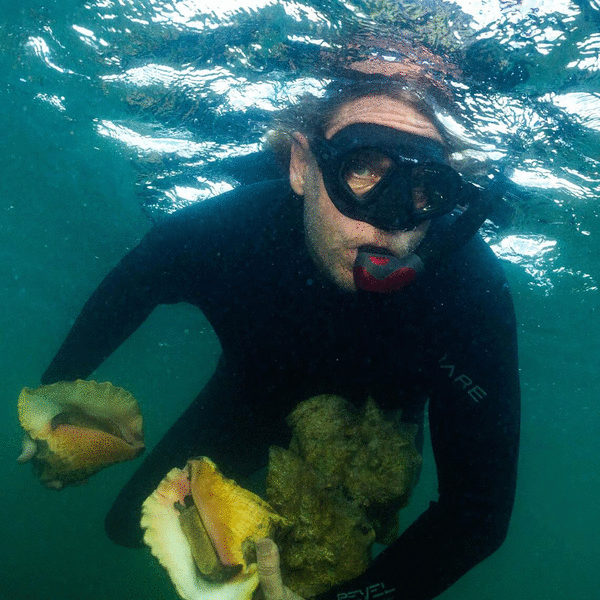
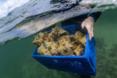
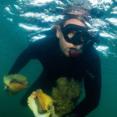
MIAMI — The Queen Conch, a giant sea snail and unofficial mascot of the Florida Keys, was listed as endangered on Valentine’s Day, 2022. Once a species is listed under the Endangered Species Act, the federal government has to identify and protect the “critical habitat” essential to its recovery.
That still hasn’t happened.
The federal government has missed its deadline to designate where critical habitat is, and the Center of Biological Diversity sued them for it earlier this month. Critical habitat is the most crucial spots that an endangered species needs to keep surviving, and with a government designation they can ensure development doesn’t harm that area.
The Center said the delay is particularly concerning because projects underway near Port Everglades could damage the habitat before it receives federal protections.
“If we let the habitat get decreased before critical habitat is designated, that could decimate the species forever,” said Alex Muir, a Florida-based attorney at the Center for Biological Diversity.
This is the longest stretch of time that an animal has gone without getting protection since the Endangered Species Act passed over 50 years ago, Muir said.
Port Everglades contains about 550 acres of Queen Conch habitat. Although the Port Everglades dredging project is currently on hold, the nearby Sand Bypass project, approved by the U.S. Army Corps of Engineers, could still degrade habitat around the port, according to the Center for Biological Diversity.
If the National Marine Fisheries Service continues to delay the designation, Muir said, the damage could be done before protections are ever put in place. The National Marine Fisheries Service declined to comment on active litigation.
Overfishing led to their demise, but pollution, dredging, and warmer water from climate change are constant threats.
The deadline to finalize critical habitat was extended by one year and expired in 2025. Even if the fisheries service determined that critical habitat could not yet be identified, the agency should have relied on the best available science to make a designation, Muir said.
The reason that the fisheries service might be having a hard time determining critical habitat for the charismatic snails might be because they are “generalists” about where they like to live and breed, said SHEDD marine biologist Andy Kough.
“What sets apart a habitat for Queen Conch is simple,” Kough said. “It’s places with other Queen Conch.”
When they’re young, they need to be near other conchs to hide from hungry predators who would love to crunch on a queen conch, Kough said. The need to stay close by continues when they’re adults. Conchs are slow-moving and must find a mate to reproduce, making dense breeding aggregations especially important for their continued survival.
Kough has been tracking conchs to better understand where they travel (they hop) and how much surrounding habitat is needed to support breeding populations.
Surveys south of the Port Everglades channel have documented more than a thousand conchs, with hundreds actively breeding. North of the channel, where dredging had been proposed, researchers found relatively few conchs.
With construction, egg masses buried beneath sand may not survive, and dredging can also release pollutants, including heavy metals, that could affect the iconic snail.
“It’s not totally clear what the impacts are going to be,” Kough said.
_____
©2026 Miami Herald. Visit miamiherald.com. Distributed by Tribune Content Agency, LLC.





Comments