It may be almost impossible to make data centers pay their ‘fair share’ of electricity costs
Published in News & Features
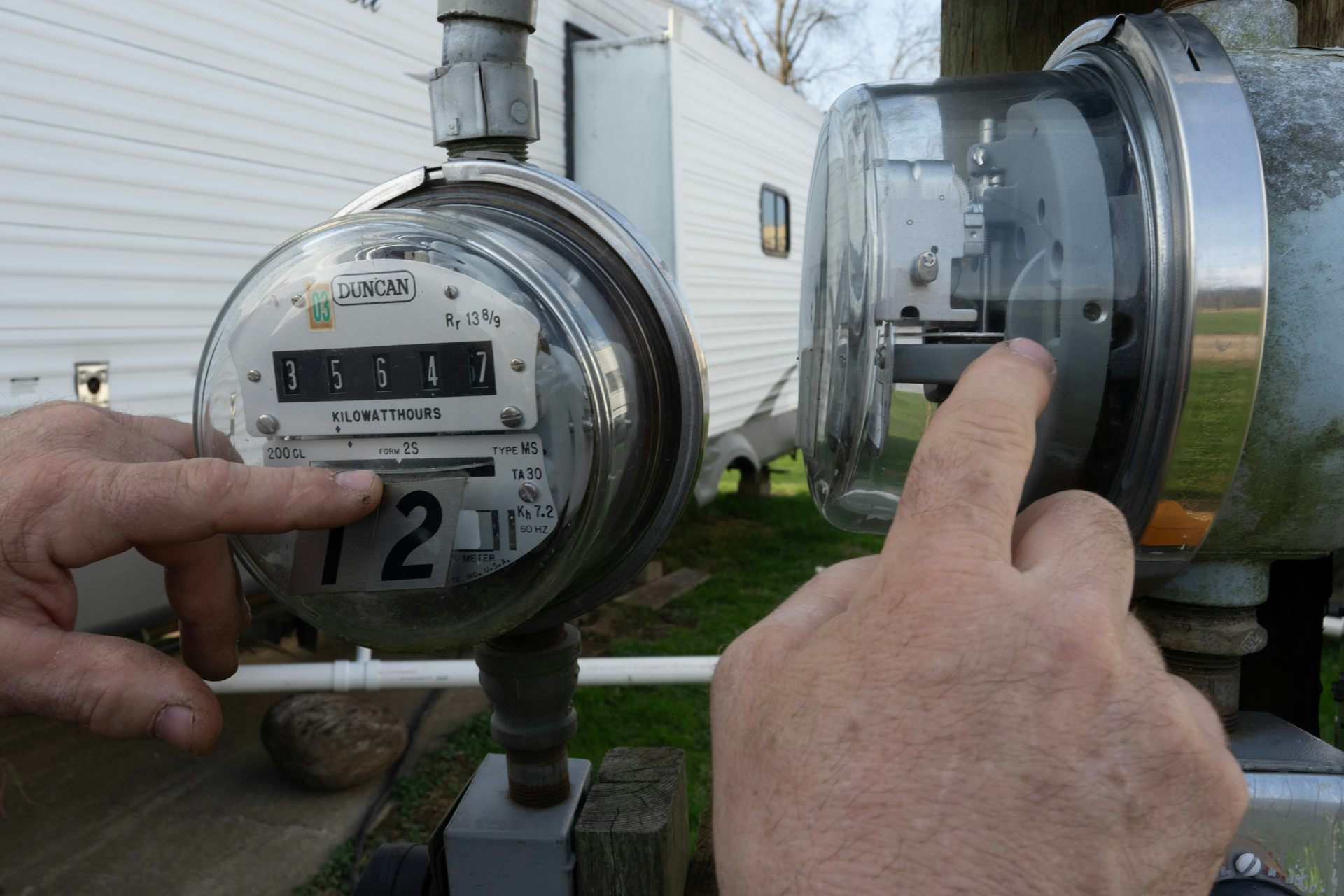
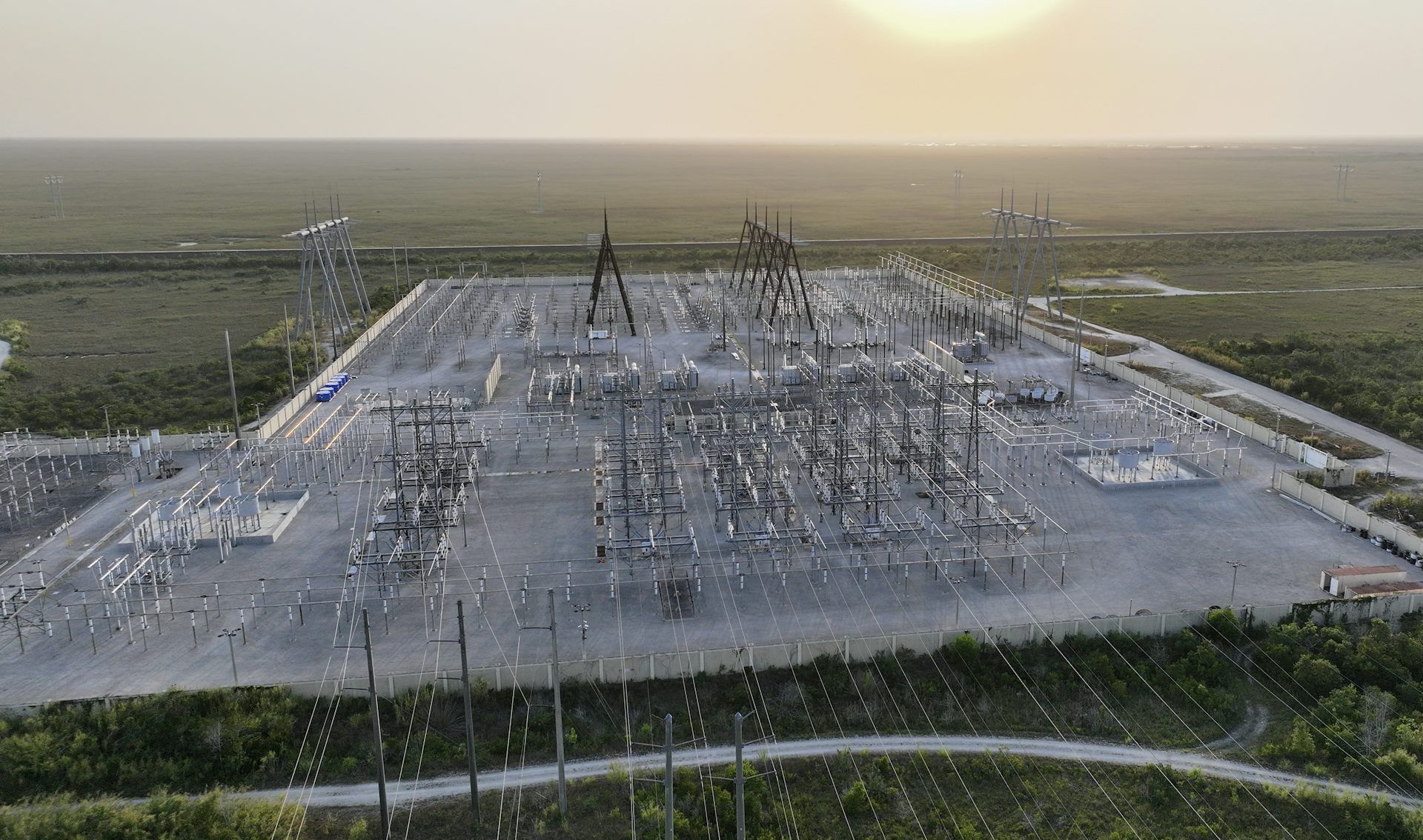
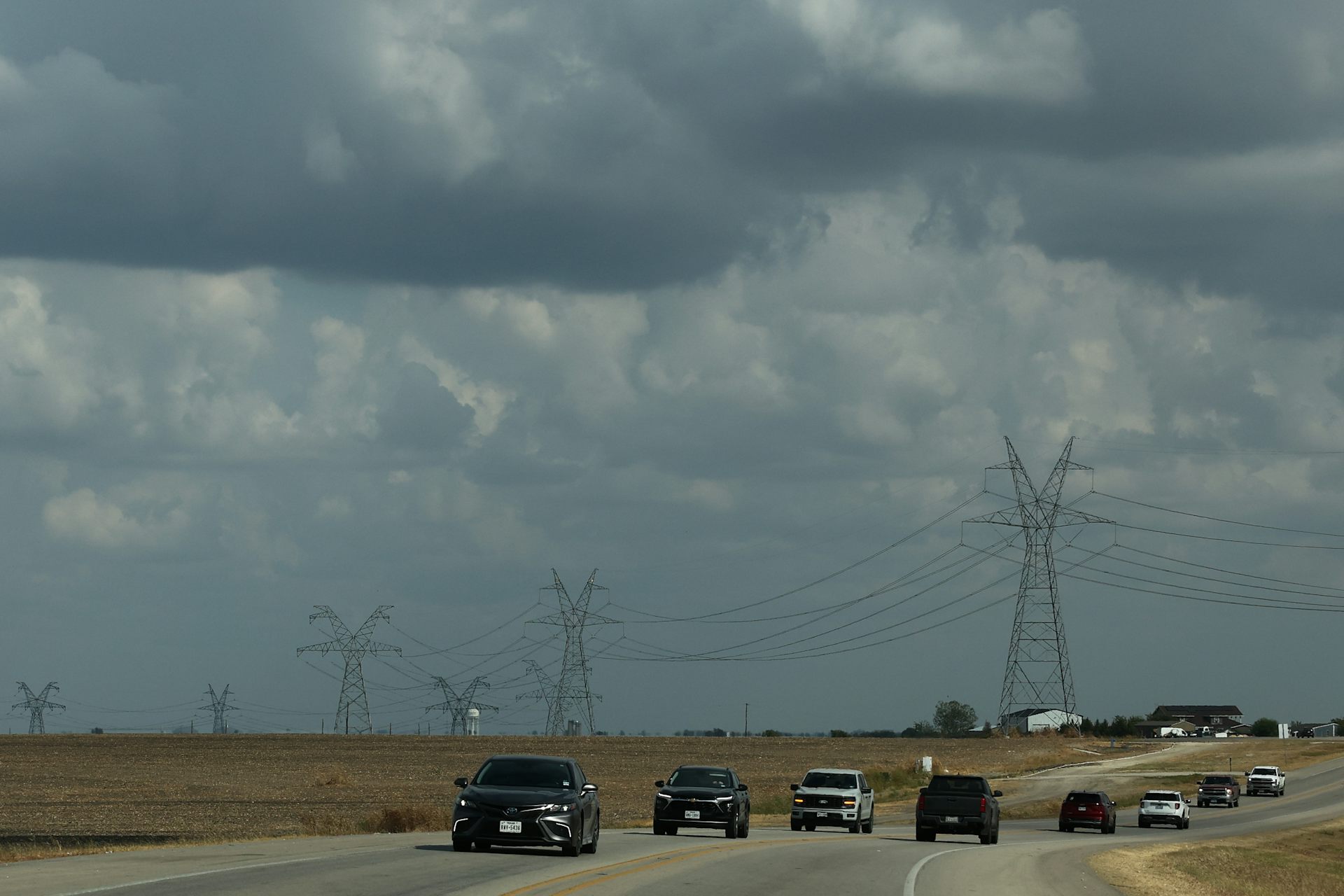




Many major tech companies have pledged to pay their fair share of the costs associated with generating and transmitting more electricity to serve large data centers. But ratepayers across the United States are worried about the potential costs they might have to bear. That’s because it’s not immediately clear how the cost of data centers’ energy will be calculated. The effects of price increases are likely just beginning, and their full effects may not be felt for years.
For example, a recent report by the organization that monitors the PJM market, an area that encompasses all or part of 14 mid-Atlantic and Midwest states, concluded that expected power demand from data centers was a primary reason for US$23 billion in customer price increases that will last until at least the end of 2028.
I have studied the programs states have launched to address the needs of these large electricity customers. Prices are set by state utility commissions, who determine which customers’ rates will increase by how much to pay for new investments in electricity infrastructure. It’s not simple.
Setting a price for electricity is straightforward in principle but complicated in execution. Regulators identify the costs to provide service, allocate the costs to customers and design prices to recover those costs.
First, regulators identify the costs that a utility company incurs to provide service. Regulators look at the value of the assets the utility company invests in, such as power plants, transmission lines and substations, as well as its day-to-day operating expenses, such as salaries, fuel, replacement parts and electricity it purchases from other sources. Then these costs are allocated to categories of customers, such as residential, commercial and industrial.
Ideally, costs are allocated to the customers who cause them, but that can be complicated to determine. For example, imagine a data center is built in an area that lacks existing power lines and is located 50 yards from a nearby electric substation. It’s clear that the data center should pay to run a 50-yard power line from the substation to the data center.
But what if the power company needs to upgrade the substation to handle the increased needs of the data center? Or secure additional sources of electricity? In these cases, the investments are part of the electricity grid that everyone uses. These costs will likely be shared among all customers.
Cost analysts review each line of a utility company’s costs, often thousands of items, and determine how each cost will be allocated. Each decision incorporates one basic idea: What’s your share?
For instance, if a group of customers uses 20% of the electricity delivered by the utility, they would be allocated 20% of the costs associated with energy delivery. Other cost items may be allocated based on the number of customers or how much electricity customers use at particular points in time, but the idea is the same.
Finally, the analysts set prices that are designed to recover the costs allocated to each customer group. So, the costs that are allocated to you are directly reflected in the electricity prices that you pay.
One common criterion for figuring out how much a customer should pay is based on what is called “coincident peak demand” – the amount a customer group uses at the moment when all customers are collectively using the largest amount of electricity. Costs associated with overall peak usage are typically split proportionally – but this opens an opportunity for data centers to exploit the system.
Data centers often are able to fine-tune their electricity consumption, using more one minute and less another, in ways that residential users can’t easily replicate. Computerized systems can automatically adjust the amount of work a data center is doing, while a homeowner would either have to race around shutting off appliances to meaningfully reduce the amount of power their home was using or invest in a device that does.
Their flexibility means data centers may be able to learn to predict when system loads will peak and consume little to no power in just the right period to avoid contributing to peak loads, as has happened with cryptocurrency-mining operations in Texas. So when regulators look at their usage to determine prices, data centers may be able to avoid paying any costs allocated through coincident peak demand, even if they use large amounts of electricity at other times.
When utility regulators decide how costs should be allocated to each customer group, they solicit input from different groups. The utility company initially submits its own proposal for how it thinks costs should be allocated across its system.
Large industrial customer groups representing customers such as factories will also submit their own proposals for how to allocate costs and set rates. Retail customer groups representing large and small stores will submit theirs. And large data centers, with the resources to hire experts in cost allocation, will submit theirs as well. Some states have specific state-government agencies to do some of this work on behalf of particular commercial groups, such as Pennsylvania’s Office of Small Business Advocate.
Regulators don’t always get a good sense of residential customers’ voices, though. Every state except Georgia, Idaho and Louisiana has an office of the consumer advocate that represents customer interests in proceedings before the state utility regulator. But they are often charged with representing all customers in the state without bias, meaning they cannot advocate for outcomes that would impose costs on one group of customers in favor of another.
So while every state’s consumer advocate is concerned with keeping the utility’s costs as low as possible, they may be barred by law from adopting a position on how those costs should be allocated. This lack of representation in this aspect of rate-setting for average households may lead to situations where the data centers’ advocates argue for minimal costs to be allocated to them – but nobody advocates on behalf of residents to examine or refute that argument.
There are other risks for residential customers, too. Utilities’ investments in electricity infrastructure last for many years. But not every proposed data center will get built, and some may use less energy than originally projected. Technology may even change, making some data centers obsolete after a year or two of operations.
If those events happen, then any costs the utility company incurred to provide enough electricity will be spread among all the other customers.
The allocation process may be even more complicated for municipal utilities regulated by city councils or independent boards, or cooperative utilities regulated by elected boards in rural communities. These groups may not have full-time staff who are utility or regulatory experts, yet they face the same decision-making challenges as trained professionals and might have to retain outside experts to aid in the process.
Consumers need to be aware of the importance of cost allocation and how it affects their electricity rates. I believe they should provide public comments to the regulators and speak during open hearings, as there may not be anyone else effectively advocating for their interests.
This article is republished from The Conversation, a nonprofit, independent news organization bringing you facts and trustworthy analysis to help you make sense of our complex world. It was written by: Theodore J. Kury, University of Florida
Read more:
Data centers need electricity fast, but utilities need years to build power plants – who should pay?
How local communities are challenging Big Tech data centers’ noise, pollution and rising electricity bills
How your electric bill may be paying for big data centers’ energy use
Theodore Kury is the Director of Energy Studies at the University of Florida’s Public Utility Research Center, which is sponsored in part by the Florida electric and gas utilities, the Florida Public Service Commission and the Office of Public Counsel, the Consumer Advocate for the State. However, the Center maintains sole editorial control of this and any other work.







Comments