Paving paradise: Dismantling the US Roadless Rule threatens to disrupt wildlife, water and peace in the last quiet places in America
Published in News & Features
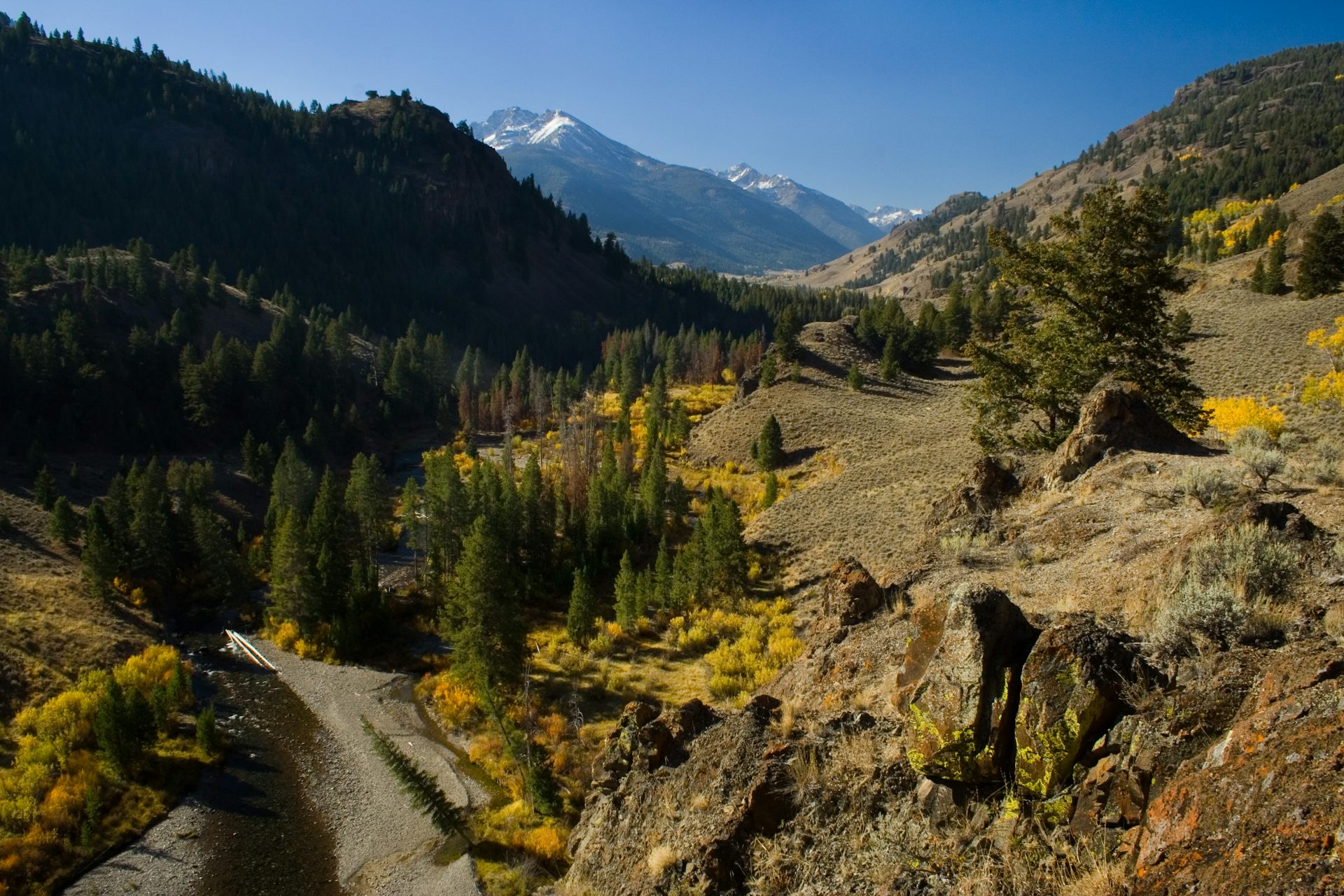
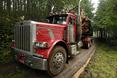
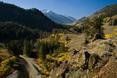
Pause for a moment and listen. What do you hear? Chances are, somewhere in the background, is the ever-present hum of a road.
More than 4.2 million miles of public roads crisscross the lower 48 states – enough to reach the Moon and back almost nine times. This vast network of roads spiderwebs its way across the contiguous U.S., leaving only about 5% as an inventoried roadless area or wilderness.
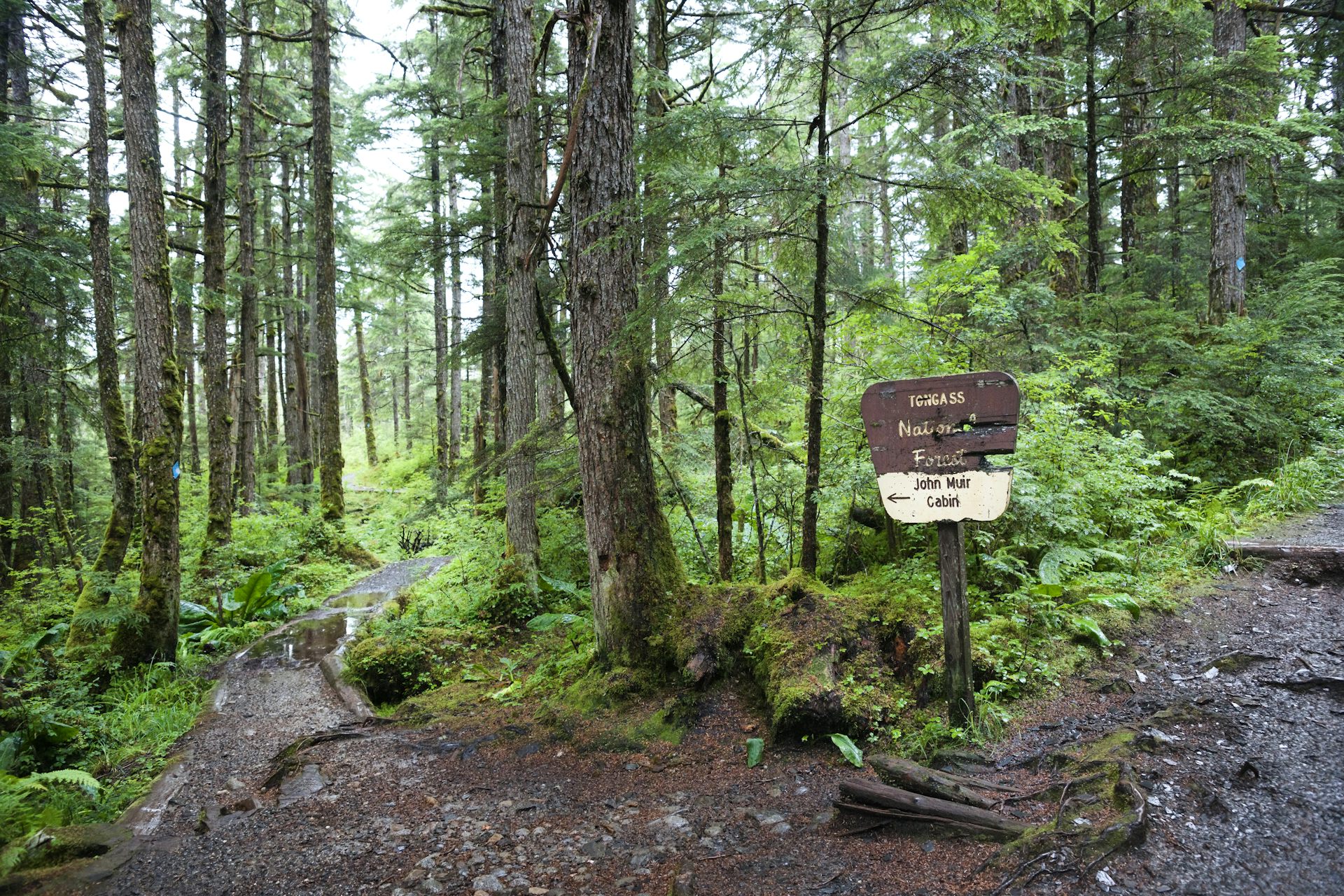
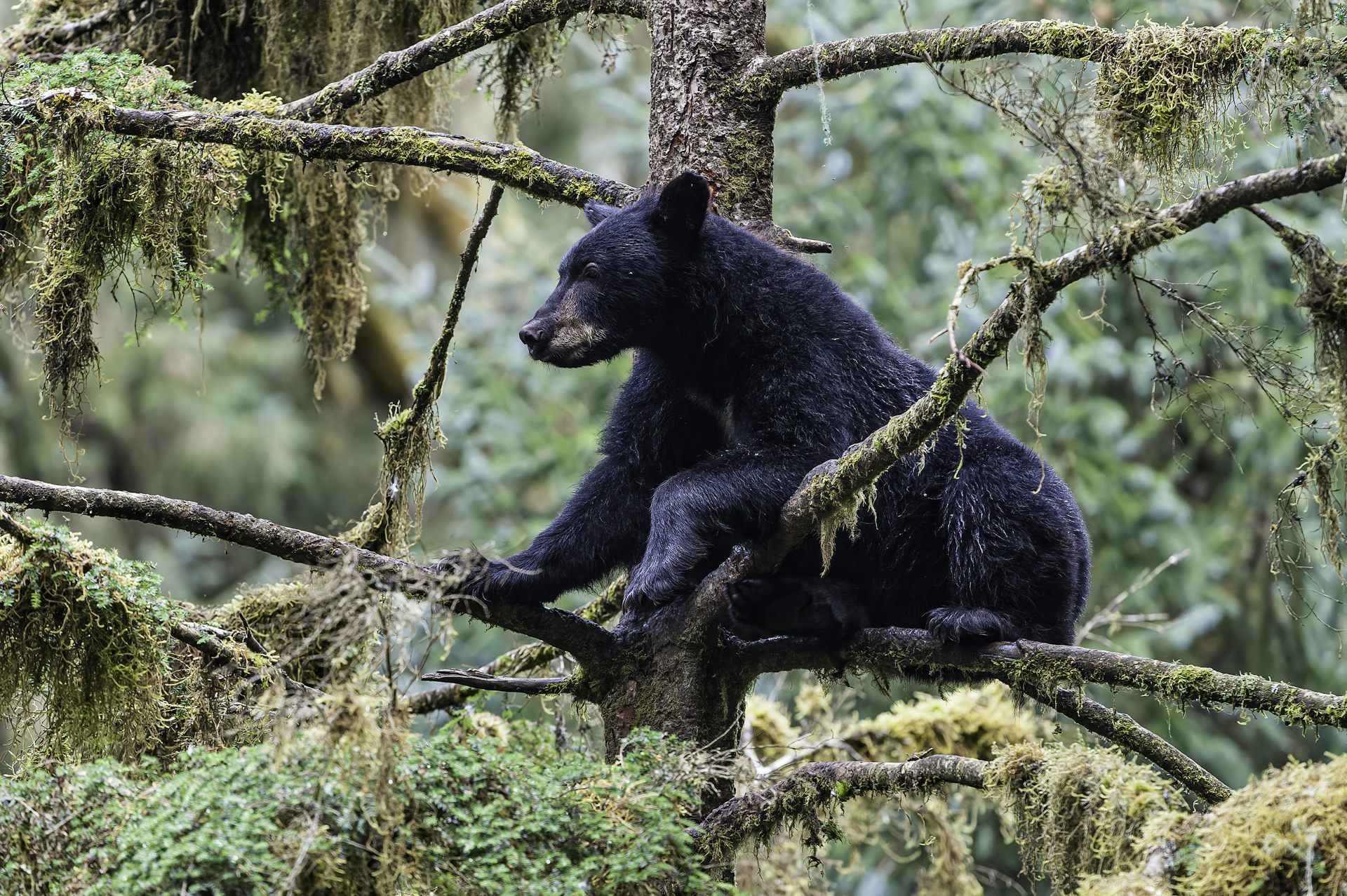
Now, some of those last remaining lands free of roads are under threat from the Trump administration’s proposed rollback of the 2001 Roadless Rule. That includes southeast Alaska’s Tongass National Forest, where eagles, bears, salmon and many other species thrive in old-growth coastal forest along the Inside Passage.
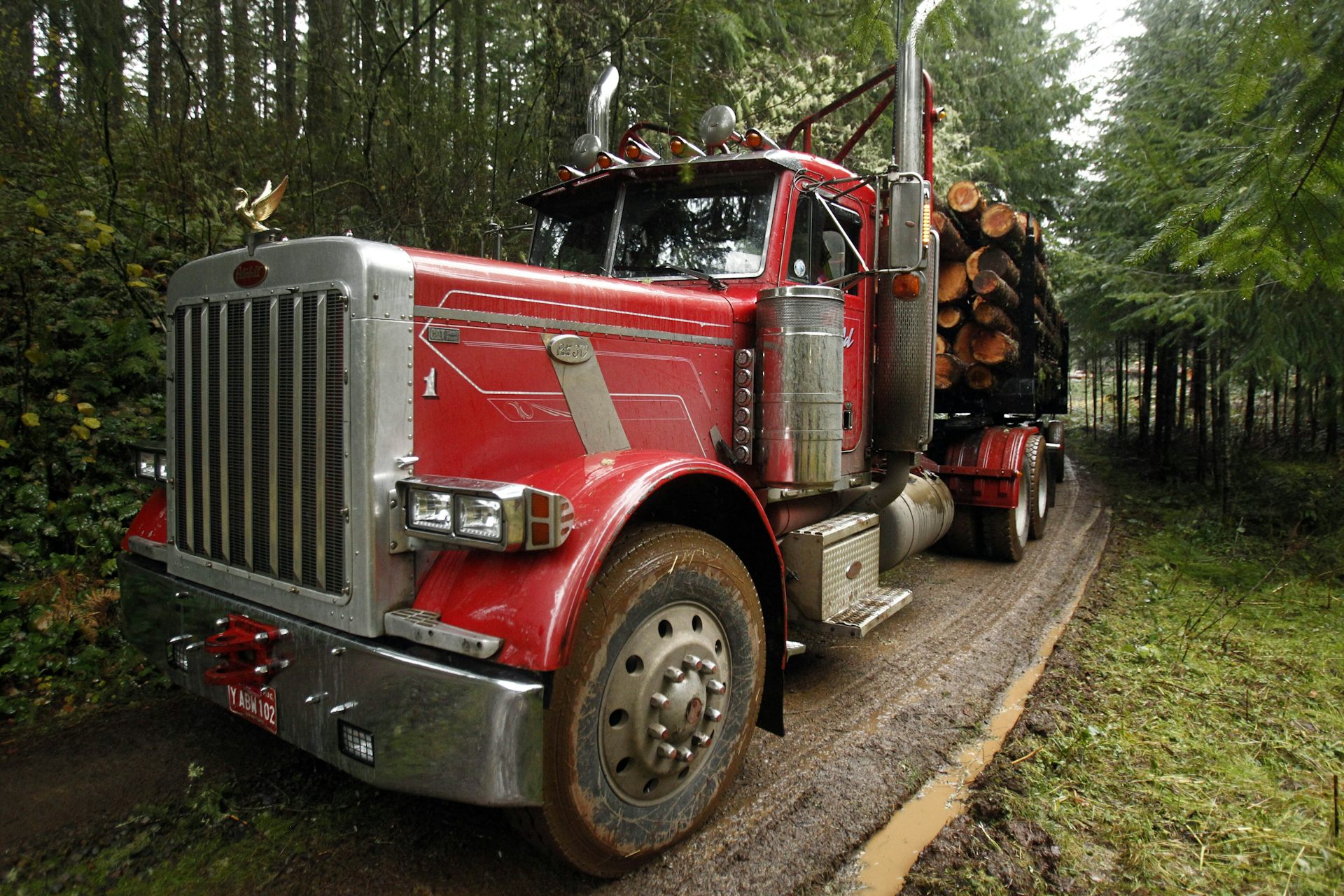
In announcing its plan, the administration said rescinding the rule would remove prohibitions on road construction and logging on nearly 59 million acres of national forest, arguing that the rule slowed economic development.
In Congress, another effort is underway to try to change the law through an amendment to the Wildfire Prevention Act. That change, if approved, would both remove the Roadless Rule and prevent the U.S. Forest Service from reinstituting it in the future, despite overwhelming public support for the rule.
As ecologists who have spent decades studying wilderness and the animals and ecological functions that depend on undisturbed habitats, we believe it’s important to understand that preserving roadless areas has value for environmental health, clean water, wildlife survival and people’s own well-being.
The National Forest Roadless Area Conservation Policy, better known as the Roadless Rule, was issued in January 2001 by President Bill Clinton. It has had overwhelming public support and received more public comments than any other rule in history.
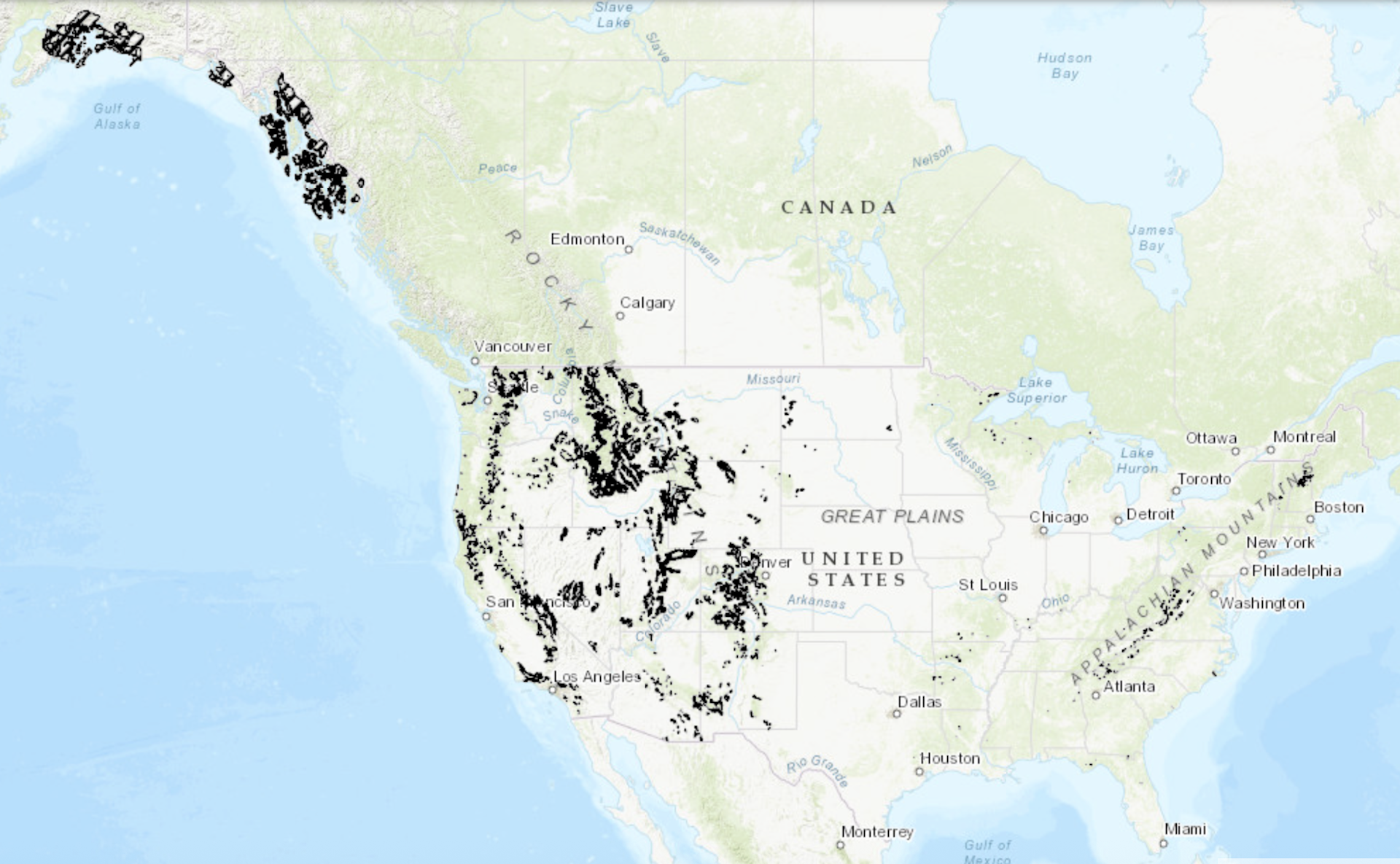
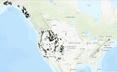
The rule prohibits road construction, maintenance and commercial timber harvest in inventoried roadless areas within the National Forest System. It applies to over 58 million acres across the country, excluding Idaho and Colorado, which have their own state-specific roadless rules. While most of these roadless areas are in the western states and Alaska, 38 total states as well as Puerto Rico host roadless areas.
The primary goal of the Roadless Rule is to maintain forest health and productivity for future generations. It also helps avoid exacerbating the U.S. Forest Service’s road maintenance backlog by not making new roads.
The Roadless Rule prohibits new road construction, with very limited exceptions, as well as commercial logging in designated roadless areas. It does not restrict other uses that are compatible with the management plan, such as hiking and mountain biking, or resource uses such as grazing livestock and working existing mining claims.
Beyond providing vital habitat for species and enabling healthy forests, the rule protects drinking water for the millions of Americans whose water flows from national forests. It also preserves high-quality recreation opportunities – hiking, camping, hunting and fishing – that Americans cherish.
While roads can provide benefits, such as access to forests, they can also do ecological harm.
Roads enable invasive weeds to spread by being carried on vehicle tires and deposited in exposed soils, erode sediments into streams and fragment habitat that wildlife rely on. Vehicles directly kill and injure animals through collisions. They occasionally start fires, too. A recent study found that fires are more likely to start in areas with roads than in areas without.
Studies show that road noise displaces wildlife, increases stress and can affect wildlife behavior patterns at distances of over a mile from the road.
And roads don’t just cause problems for species on land. Most roads cross streams and rivers, which requires building a way for those waters to keep flowing under the road (structures called culverts). While culverts can be designed to allow fish to pass through and maintain ecological connections, they are rarely built to do so. This leads to declines in the health of fish populations and can leave some species locally extinct.
Inventoried roadless areas are among the most ecologically intact and wildest places left in the United States, yet – unlike Wilderness Areas and National Parks – there are no signs acknowledging their boundaries when you enter one.
Most are part of larger ecosystems, directly adjacent or ecologically connected to better known national parks and wilderness areas. Removing Roadless Rule protections would erode ecological buffers to these more famous protected lands.
For some species, roadless areas protect critical core habitat. For instance, over half the suitable habitat for relictual slender salamander, a critically imperiled species native to the Sierra Mountains of California, occurs in a roadless area. Nearly 40% of Mount Pinos, lodgepole chipmunk, an imperiled subspecies of the lodgepole chipmunk, also live in roadless areas in California.
Research shows that every formal roadless area provides habitat for at least two wildlife species of conservation concern – those facing risks to their long-term survival – with the median roadless area supporting 10 of these imperiled species. Some Arizona roadless areas contain habitat for up to 62 of these species.
Roadless areas also protect watersheds that supply drinking water to 47 million Americans.
Without this protection, these watersheds would still provide water, but their long-term health and hydrological sustainability could be compromised if roads block stream flow and increase sediments flowing into waterways. The result can be higher costs for water purification.
The Forest Service’s own watershed health assessment, known as the Watershed Condition Framework, uses road density as a key indicator of conditions that can disrupt water quantity and quality.
The Trump administration’s proposed rollback, expected to be formalized in 2026, would open these last wild places to development, fragmenting habitats that can never be restored.
The American public spoke loudly in 2001 when they supported the Roadless Rule. Two decades later, the public comments submitted on the recission notice overwhelming opposed rolling back the rules, a Center for Western Priorities review found, reaffirming that U.S. roadless forests remain as vital and valued as ever.
Protecting these areas is about promoting healthy ecosystems on public lands so they can provide hiking, hunting and fishing opportunities for generations to come to enjoy the tranquility of being in nature.
This article is republished from The Conversation, a nonprofit, independent news organization bringing you facts and trustworthy analysis to help you make sense of our complex world. It was written by: Mariah Meek, Michigan State University and Travis Belote, Montana State University
Read more:
Why protecting wildland is crucial to American freedom and identity
What’s at risk for Arctic wildlife as Trump invites bids for oil drilling in the fragile National Petroleum Reserve‑Alaska
A proposed mine threatens Minnesota’s Boundary Waters, the most popular wilderness in the US
Mariah Meek has received research funding from federal agencies, such as the US Fish and Wildlife Service and the National Science Foundation. She also serves as the Director of Research for The Wilderness Society and is an affiliate associate professor at Montana State University.
Travis Belote does not work for, consult, own shares in or receive funding from any company or organization that would benefit from this article, and has disclosed no relevant affiliations beyond their academic appointment.







Comments