US sanctions Chinese firm in Google AI secrets case
Published in Business News
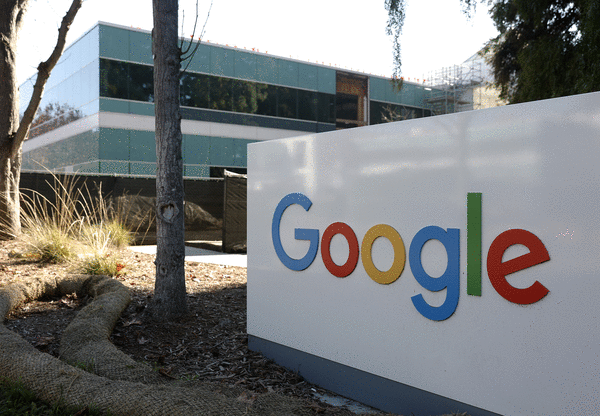
The U.S. government has blacklisted a Chinese venture firm established by ex-Microsoft Corp. AI scientist Lu Qi for alleged ties to a startup accused of stealing technology from Alphabet Inc.’s Google.
The State Department on Monday announced measures against Shanghai Zhisuan Technology Co., founded by Ding Linwei, a former Google software engineer convicted this year of stealing Google AI trade secrets. Lu’s MiraclePlus, the successor to a Chinese program run by Silicon Valley’s Y Combinator, and three affiliates drew sanctions for providing seed financing to Zhisuan. The measures may include freezing their U.S. assets and banking restrictions.
MiraclePlus denied investing in Zhisuan and said the U.S. sanctions were imposed without any prior communication, according to a company statement Tuesday. The firm said it’s in talks with relevant parties to have the sanctions lifted and expects the matter to be resolved through “candid communication.”
Established in 2023, Zhisuan develops a software platform designed to help train AI models. Ding applied on behalf of Zhisuan to MiraclePlus’s startup incubation program, touting his knowledge of Google’s technology, according to the State Department.
Lu, a former Microsoft executive, was recruited in 2017 by Baidu Inc. to oversee the Chinese search leader’s AI efforts, only to quit a year later citing personal reasons. In 2018, Lu — recruited by then-Y Combinator President Sam Altman — joined the U.S. firm to help create YC China.
When Y Combinator abandoned the expansion a year later, Lu and his team continued operations under the MiraclePlus brand. It’s since backed some of China’s most promising startups, including AI inference platform SiliconFlow and robotics maker AgiBot, both of which are considering Hong Kong listings. MiraclePlus representatives didn’t immediately respond to emailed and messaged queries.
Ding secretly affiliated himself with two China-based AI companies while still working as a Google employee, the Justice Department said following his conviction in January — one of the more closely watched AI IP cases between the world’s two largest economies. He allegedly siphoned more than 2,000 pages of trade secrets to his personal cloud account, and downloaded files to his computer less than two weeks before resigning in December 2023.
Ding’s defense at the time hinged in large part on arguments that the documents he took don’t meet the legal definition of a trade secret. His attorneys said prosecutors failed to show he had any intent to use the documents to benefit his company or China. He was sentenced to a year’s jail time in September.
(With assistance from Foster Wong.)
©2026 Bloomberg L.P. Visit bloomberg.com. Distributed by Tribune Content Agency, LLC.









Comments